Tripoli, Libya — The International Organization for Migration (IOM) has reported a significant increase in the migrant population in Libya, with 943,748 individuals identified across the country during the March to April 2026 reporting period.
The majority of these migrants, accounting for 53 percent, are concentrated in western Libya, followed by the east with 36 percent and the south with 11 percent. Urban centers such as Tripoli, Benghazi, and Misrata have emerged as primary destinations due to employment opportunities, infrastructure, and access to services.
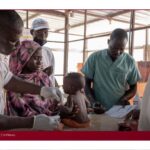
The report highlights that the primary drivers of migration to Libya are economic factors, with 79 percent of migrants citing economic hardship as their main reason for migrating. Conflict and insecurity were the second most frequently reported drivers, particularly among Sudanese and North African nationals. Humanitarian needs remain pressing, with blankets, mattresses, clothing, and hygiene products identified as the most urgent non-food items.
The IOM’s Displacement Tracking Matrix (DTM) also notes that the country’s instability and conflict, particularly since the 2011 revolution, have created a challenging environment for migrants and refugees.
The report further indicates that increased border monitoring by Libyan authorities has led to longer routes for refugees, with arrivals via Chad decreasing to an average of 70 per day. This shift in migration patterns underscores the evolving nature of the crisis and the challenges faced by those seeking refuge.
In response to the growing crisis, the United Nations High Commissioner for Refugees (UNHCR) and other humanitarian organizations have been working to provide assistance to migrants and refugees in Libya.
However, concerns remain about the wellbeing of those affected, as the scale of the crisis has outpaced available resources.
The migrant crisis in Libya serves as a stark reminder of the global challenges associated with migration and the need for coordinated, comprehensive responses.
As the situation continues to unfold, the international community must remain vigilant and committed to finding sustainable solutions to protect the rights and wellbeing of those affected.
*Additional reporting by ImNews | Sources consulted: 5*
—
This original article was produced by the ImNews editorial team
Source: reliefweb
Source: International Organization for Migration