
The crisis is being exacerbated by a severe water shortage, raising concerns about the true scale of the outbreak and the effectiveness of response efforts.
A recent report by Oxfam indicates that only 20 percent of the population in Mongbwalo, an epicenter of the outbreak in Ituri province, has access to clean water. This lack of access to clean water poses a significant risk for the spread of the virus, as handwashing is a primary defense against transmission.
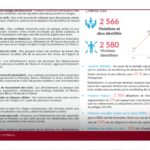
The official Ebola figures in the DRC have been revised to 380 confirmed cases and 60 confirmed deaths, with Uganda reporting 15 confirmed cases and 1 death.
However, UNICEF is calling for greater investment in community engagement, prevention, and long — term preparedness to help stop transmission and protect vulnerable children and families.
The organization emphasizes the importance of involving local communities in the response efforts to ensure that the needs of those most affected are met.
Claudio Butticè, a medical consultant and advisor, suggests that the DRC remains the epicentre of the Ebola epidemic due to various factors, including the country’s healthcare challenges and the current water crisis. Officials commented on the matter.
The Centers for Disease Control and Prevention (CDC) has stated that the overall risk to the American public and travelers from the DRC and Uganda Ebola outbreaks remains low, with no cases reported in the United States as of June 16, 2026.
However, the organization warns that the situation could worsen if adequate resources and support are not provided to affected areas.
The ongoing water crisis in the DRC is further complicating the response to the Ebola outbreak.
The lack of access to clean water makes it difficult for health workers to carry out their duties effectively and for individuals to practice basic hygiene measures.
This could lead to a significant increase in the number of cases and a prolonged duration of the outbreak.
As the situation continues to evolve, it is crucial for the international community to provide support to the DRC government and local organizations to address the water crisis and improve the overall response to the Ebola outbreak. Failure to do so could have tragic consequences for the people of the DRC and the global community.
*Additional reporting by ImNews | Sources consulted: 5*
—
This original article was produced by the ImNews editorial team
Source: Google News v2