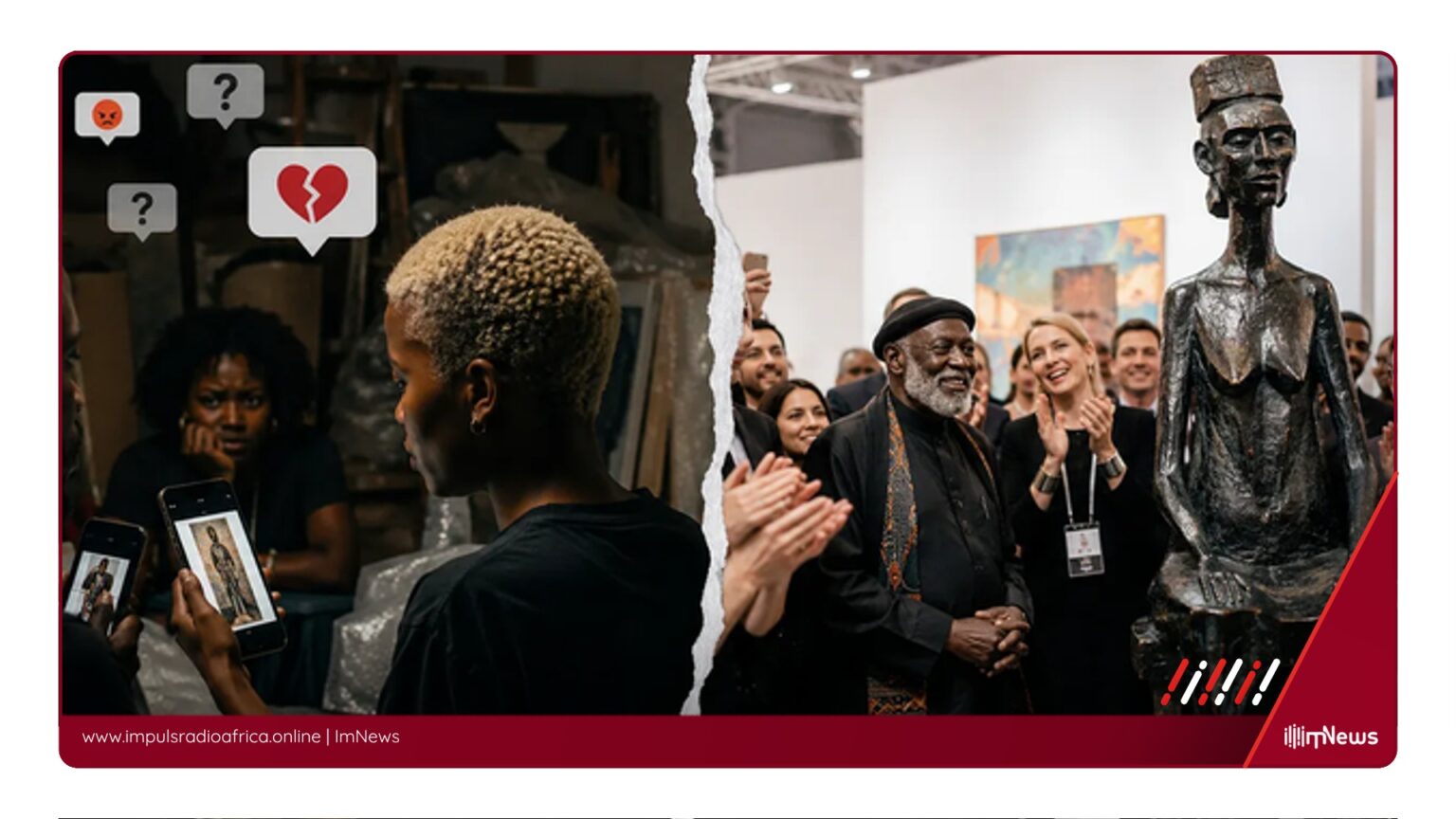
Cape Town, South Africa — The African art scene is addressing a paradox, as a Cape Town gallery faces allegations of holding artists’works hostage, coinciding with a remarkable success story at Frieze New York.
In a recent social media storm, South African artist Kate Gottgens questioned the whereabouts of her painting, Audible Doom, which has remained unreturned despite repeated requests. This case, along with others, underscores the power imbalance between artists and galleries, particularly for those without legal resources or established reputations. Simultaneously, the spotlight has shifted to El Anatsui, an 82-year-old Ghanaian sculptor, who shattered records at Frieze New York by selling artwork for a combined $4.
1 million. His achievement, however, is a stark reminder that African artists still account for less than 2% of total fine art auction sales globally.
The Cape Town gallery’s controversy has sparked a broader conversation about the power dynamics within the art market and the need for accountability and transparency.
The case has highlighted the lack of clarity and protection for artists’rights in South Africa, where some galleries are accused of exploiting their creators. While the international success of African artists like Anatsui is a positive sign, it is juxtaposed against the challenges faced by many artists in securing their rights and fair compensation.
The 2026 Reparations Movement, marked by the return of stolen artifacts to Ghana, signifies a global reckoning with Africa’s plundered heritage and is reshaping perceptions of African art’s value and control.
As the movement gains momentum, it is crucial for the global art community to engage in a meaningful dialogue about the future of African art.
The juxtaposition of these events serves as a call to action for the art world to address the root causes of these issues and support African artists in their quest for fair treatment and appreciation.
The evolving narrative of the African art market is being watched closely, as the world awaits to see how this chapter in the history of African art will be written.
*Additional reporting by ImNews | Sources consulted: 5*
—
This original article was produced by the ImNews editorial team
Source: africa
Source: NG Editor