Johannesburg, South Africa — Xenophobia on the Rise: South Africa’s Migrant Population Targets of Populist Backlash Johannesburg, South Africa — South Africa has been swept by a wave of anti-immigrant sentiment, as a growing number of citizens express their frustration over economic and social challenges by targeting the country’s migrant population.
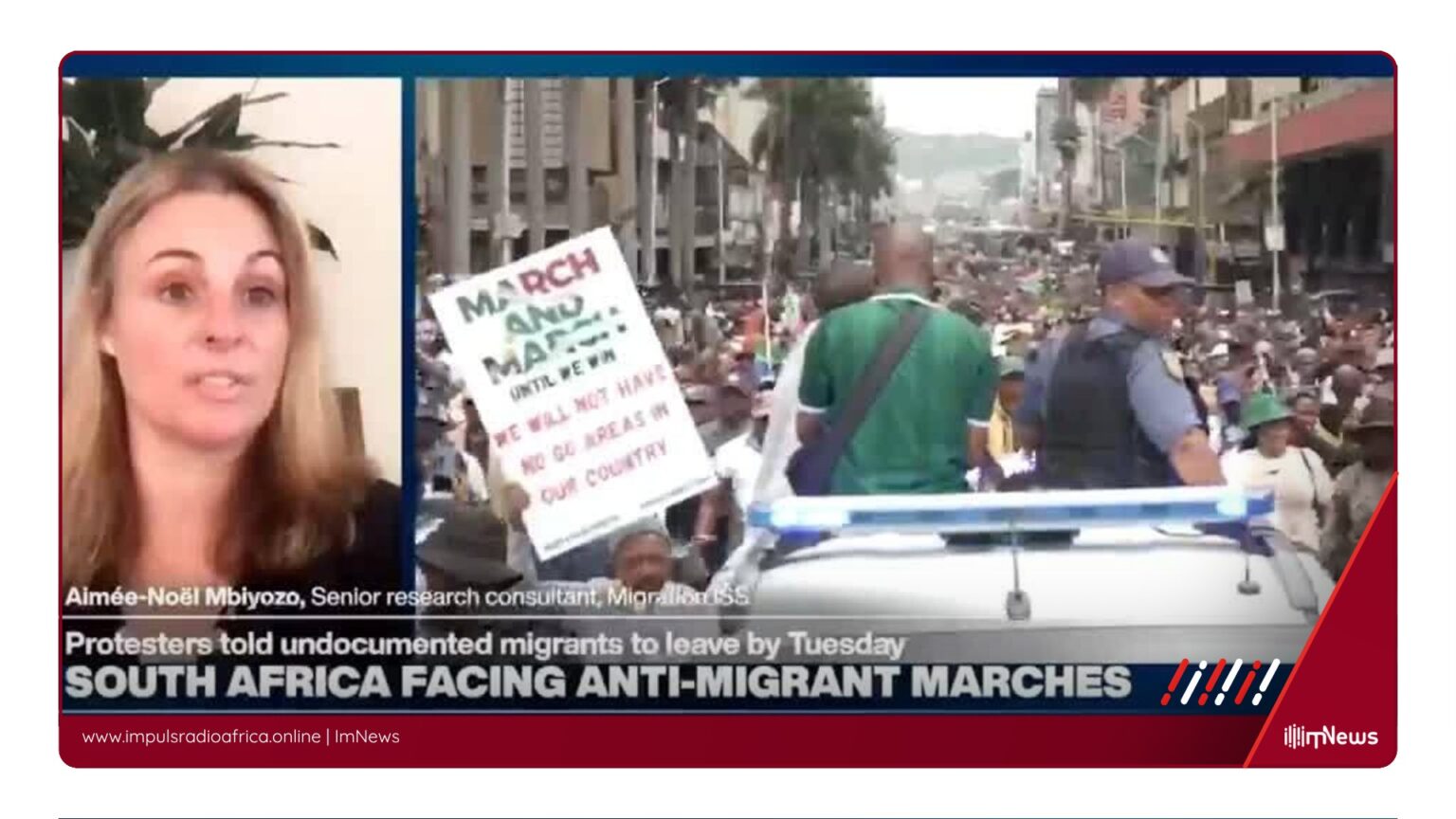
The latest developments come as the campaign group March & March has given illegal immigrants until June 30, 2026, to leave the country, sparking fears and uncertainty among the migrant community.
The situation has drawn the attention of experts, who argue that migrants have become convenient political scapegoats rather than the root cause of the nation’s problems.
Aimée-Noel Mbiyozo, Senior Research Consultant at the Institute for Security Studies, points out that the current climate of xenophobia is a manifestation of deeper structural crises, such as high unemployment and inequality.
The recent State of the Nation Address by President Cyril Ramaphosa touched on the country’s challenges, but The speech highlighted the need for policy interventions to address the country’s economic and social issues, but critics argue that these measures have not yet been effectively implemented. March & March, the campaign group at the forefront of recent protests, has been particularly aggressive in its stance against undocumented immigrants.
The group’s call for a mass deportation by the end of June has reignited long-held xenophobic sentiments in the country. Mozambique reported that five of its citizens were killed in “xenophobic attacks “at the end of May, underscoring the gravity of the situation.
The Guardian has reported on the extreme fear among immigrants in South Africa, with protesters in Benoni, east of Johannesburg, calling for the deportation of undocumented immigrants.
This climate of fear has left many immigrants, including documented and undocumented individuals, feeling vulnerable and at risk. South Africa’s history of apartheid has left a lasting legacy of economic disparity and inequality, which has contributed to the current climate of xenophobia.
The country’s high unemployment rate and the perception that immigrants are taking jobs away from South African citizens have fueled anti-migrant sentiments.
The government’s response to the crisis has been mixed. While President Ramaphosa has acknowledged the problem and outlined policy objectives to address it, critics argue that the government has not taken decisive action to protect the rights of immigrants and address the root causes of the crisis.
The situation in South Africa is a reminder of how politically expedient it can be for governments to use immigrants as a scapegoat for broader economic and social issues.
The country’s leaders must recognize the importance of addressing the root causes of the crisis and protecting the rights of all its citizens, regardless of their nationality.
As the deadline set by March & March approaches, the future of South Africa’s migrant population remains uncertain.
The nation’s leaders must act swiftly to prevent further violence and discrimination, and to promote a more inclusive and equitable society for all.
*Additional reporting by ImNews | Sources consulted: 5*
—
This original article was produced by the ImNews editorial team
Source: france24 – Africa
Source: FRANCE24