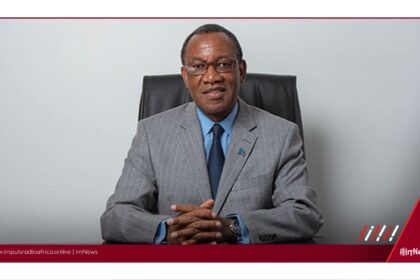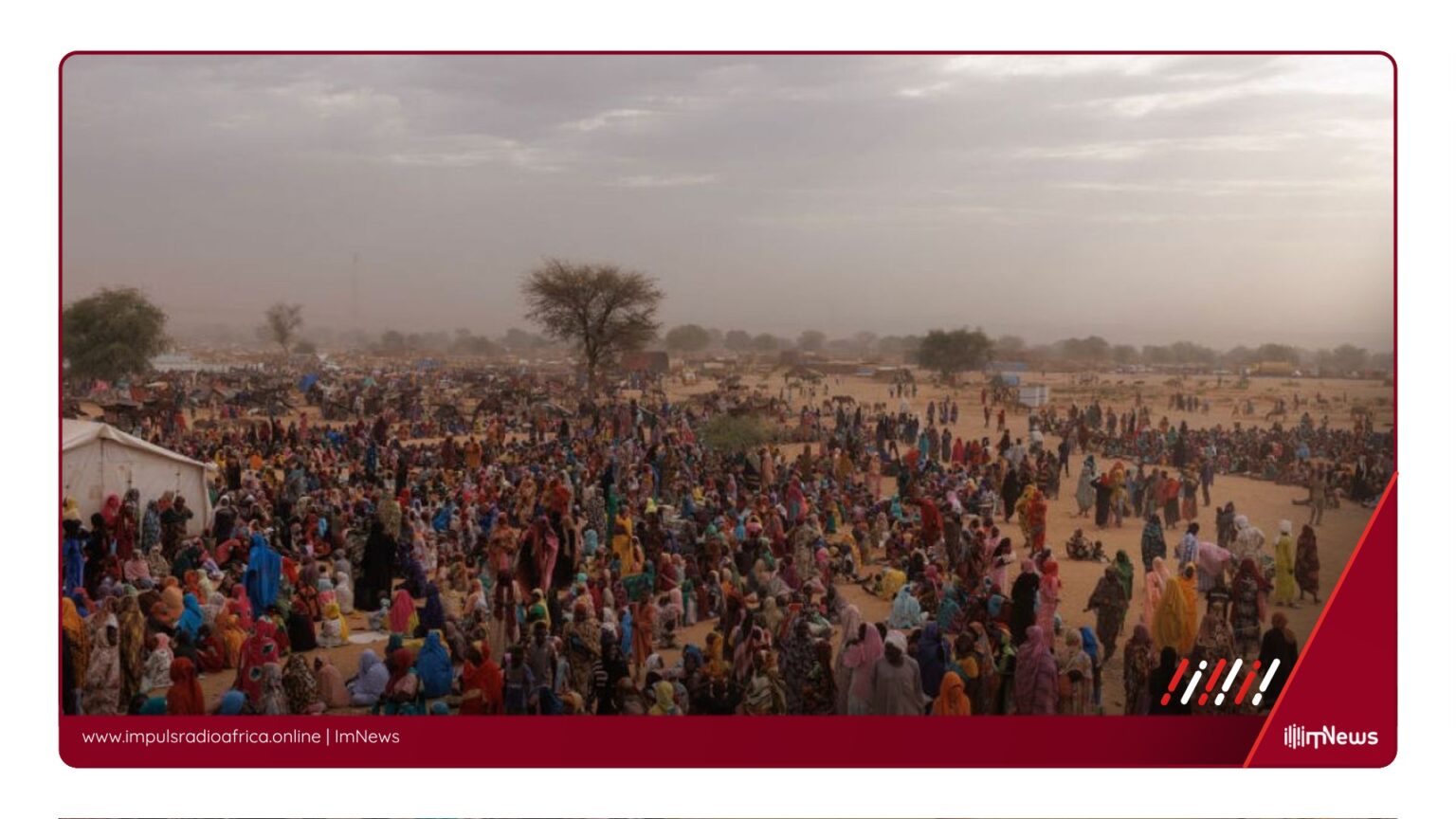
CAIRO, Egypt — The ongoing civil war in Sudan has had a profound impact on the nation’s demographics, according to Sudanese Minister of Human Resources and Social Development, Mutasim Ahmed Saleh. Since the conflict began in April 2023, it has resulted in an estimated 200,000 deaths and the displacement of over 11 million people, according to UNICEF and Al Jazeera Arabic, marking the world’s largest humanitarian crisis.
The war, a conflict between the Sudanese Armed Forces (SAF) and the Rapid Support Forces (RSF), has not only caused a massive loss of life and displacement but has also significantly altered Sudan’s population growth rate. Saleh highlighted that the war has led to increased poverty levels, loss of income for a large segment of the population, the degradation of basic services, and a decline in the labor market and human capital. Prior to the war, Sudan’s population was projected to exceed 64 million by 2035.
However, the conflict has forced tens of thousands to seek asylum in neighboring countries, such as Egypt, South Sudan, and Chad, while millions have been internally displaced within Sudan itself.
The war’s impact has been further compounded by the declaration of famine in certain areas of the country, according to UNICEF.
The combined effects of conflict and environmental instability, including severe droughts and floods, have pushed communities to the brink of survival. Reflecting the Sudanese government’s aim for stability and reconciliation, Prime Minister Kamil Idris has declared 2026 as the “Year of Peace, “within the framework of the National Peace Initiative. This initiative seeks to end the conflict and restore peace to the nation.
The war has also taken a toll on Sudan’s economy, which has been strained by the humanitarian crisis and international sanctions.
The government’s return to Khartoum in 2026, after nearly three years of operating from Port Sudan, is seen as a step towards reestablishing the country’s capital as a hub for national and international cooperation.
As Sudan enters the “Year of Peace, “the nation faces the daunting challenge of rebuilding its demographic and economic landscape.
The path to recovery and stability will be long and complex, but the declaration of the “Year of Peace “signifies a commitment to move forward and seek a lasting resolution to the conflict that has profoundly reshaped the nation’s demographics and future.
*Additional reporting by ImNews | Sources consulted: 5*
—
This original article was produced by the ImNews editorial team
Source: aljazeera
Source: Fath Al-Rahman Shabarga