Niger’s WASH Sector Struggles Amidst Severe Wasting Cases and Access Challenges DATILINE: Niamey, Niger – July 21, 2026 In Niger, the Water, Sanitation, and Hygiene (WASH) sector faces daunting challenges, with recent data highlighting the urgency of addressing these critical issues. From January to March 2026, 109,019 children with severe wasting were admitted for treatment, accounting for 26% of the annual target. This alarming figure underscores the severity of malnutrition and the need for improved WASH services in the country.
The situation is further compounded by the fact that only 56% of Niger’s population has access to a source of drinking water, a figure that has seen a 7% increase in the supply of services between 2012 and 2015. This gap in access to clean water and sanitation services exacerbates the risk of water-related diseases and poor hygiene practices, which are significant contributors to child mortality under five years old.
The WASH Cluster in Niger is actively working to enhance resilience and emergency response mechanisms for vulnerable populations affected by recurrent crises.
The Cluster focuses on integrated water, hygiene, and sanitation access improvements, aiming to integrate these services with other sectors to address the multifaceted challenges faced by Nigerians. UNICEF, a key player in the WASH sector, is actively involved in supporting the Niger Ministry of Health in responding to health crises such as measles outbreaks.
The organization’s efforts are crucial in providing vulnerable children with access to water, sanitation, nutrition, education, health, and protection services.
The WASH Cluster’s approach to addressing the crisis is multifaceted, encompassing not only the provision of basic services but also the strengthening of local and national response capacities. This includes enhancing access to vulnerable areas and improving the overall resilience of the population to future crises. Despite these efforts, the situation remains critical.
The World Bank has highlighted the need to strengthen the management of water resources, increase access to water services, and improve resilience to climate — induced water variability in select areas of Niger. This underscores the importance of sustainable solutions that can withstand the challenges posed by climate change and environmental degradation.
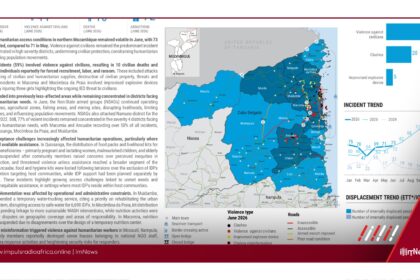
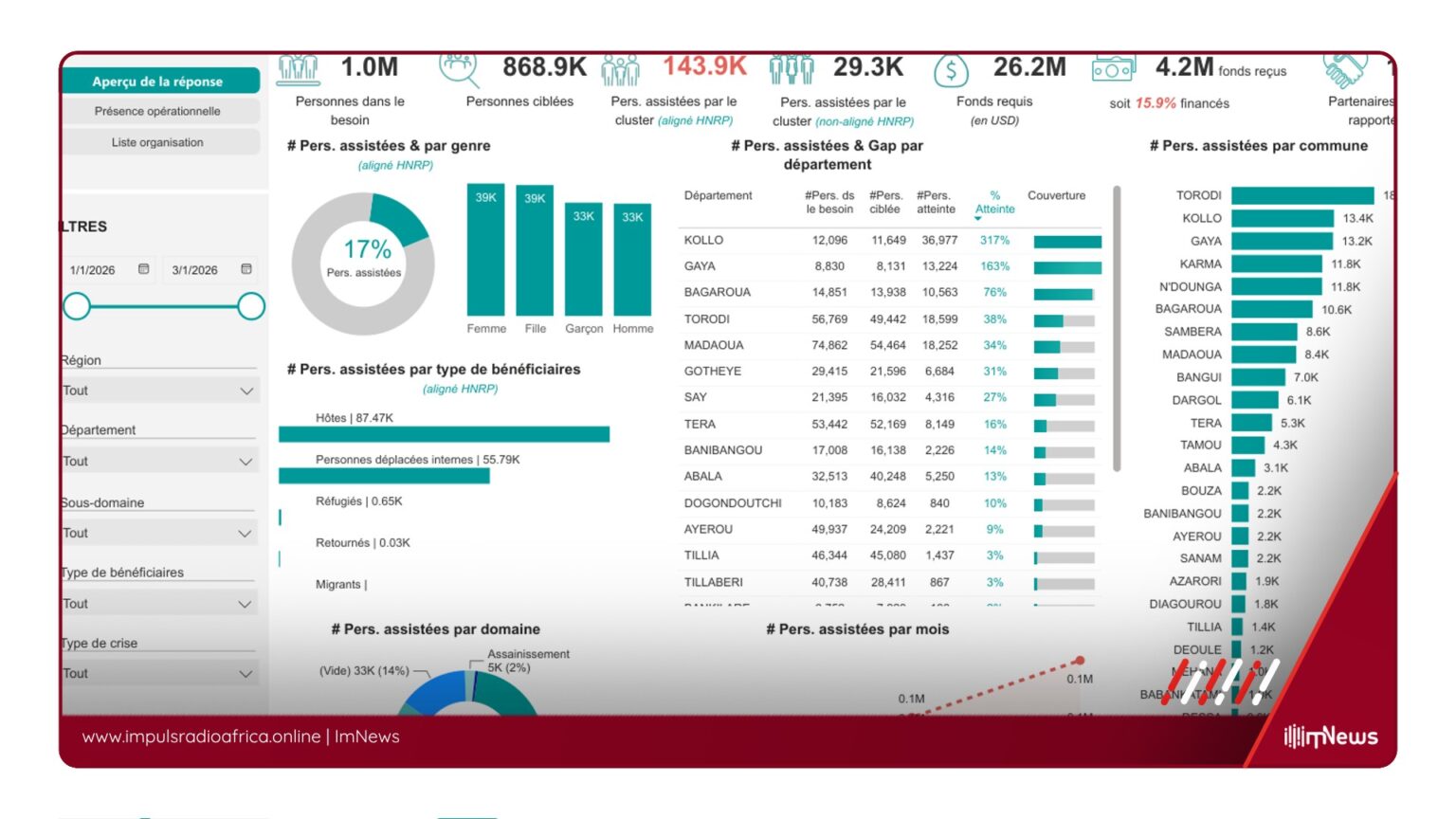
The Niger WASH Sector Dashboard, which provides a comprehensive overview of the situation, reveals that while some progress has been made, there is still much work to be done.
The report indicates that the WASH Cluster has made significant strides in improving access to water and sanitation services, but challenges remain, particularly in rural areas.
As Niger continues to grapple with insecurity, environmental crises, and migration, the need for effective WASH services has never been more pressing.
The international community must remain committed to supporting Niger in its efforts to improve the lives of its citizens, particularly the most vulnerable populations.
The next steps for the WASH Cluster and its partners will be crucial in determining the success of these efforts. This includes the implementation of sustainable solutions that can withstand the challenges posed by the country’s complex environment and the ongoing humanitarian crisis.
As Niger moves forward, the focus must remain on improving access to clean water, sanitation, and hygiene services for all.
This is not only a matter of public health but also a key factor in the country’s economic development and social stability.
*Additional reporting by ImNews | Sources consulted: 5*
—
This original article was produced by the ImNews editorial team
Source: reliefweb
Source: UN Children's Fund