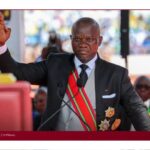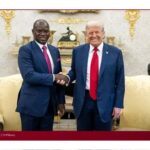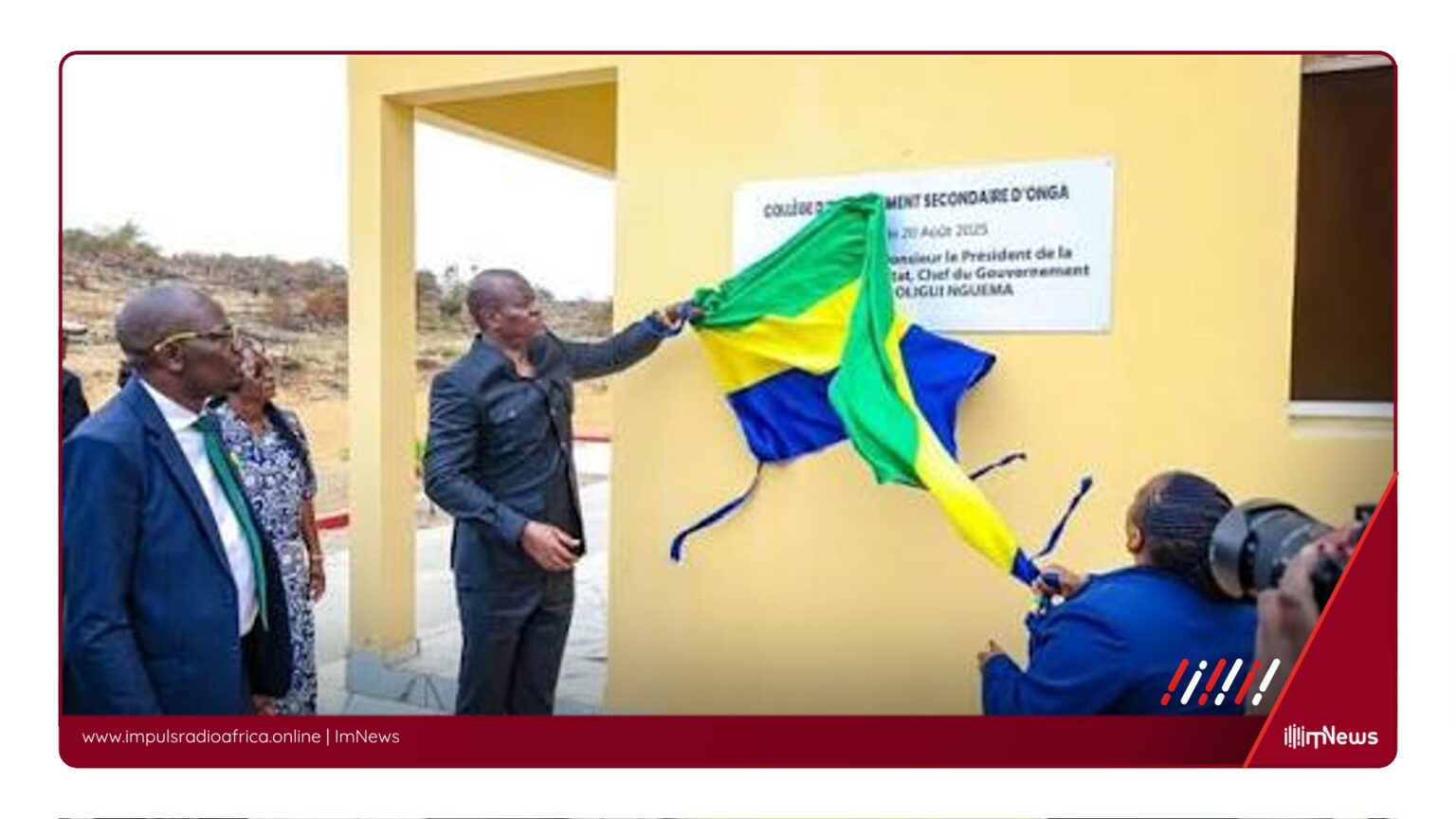
Gabon’s President Oligui Nguema’s First Year: A Glimpse into Social Progress and Ongoing Challenges. LIBREVILLE, Gabon – On May 3, 2026, a year into his presidency, Brice Clotaire Oligui Nguema has embarked on initiatives aimed at enhancing the living conditions of the Gabonese population, particularly in social sectors. This first year has been marked by the opening of new educational and health facilities, the modernization of public administration, and the continuation of the regularization of administrative situations for state agents.
The government has also introduced several reforms, including the organization of the first professional elections and the acceleration of the digitalization of public services.
In the education sector, new infrastructures have been constructed or rehabilitated, notably in Libreville and Mouila, to improve learning conditions.
The opening of the campus of the University Omar Bongo (UOB), with over 1,200 rooms, and the ongoing works at the University of Sciences and Techniques of Masuku (USTM) are among the key achievements.
In the healthcare sector, the modernization of hospital structures and the construction of new establishments continue, as evidenced by the Departmental Hospital of Moanda. Social projects have also been implemented in various localities, including the construction of administrative housing and community infrastructures in Ndendé, and the commissioning of several economic and administrative facilities in Port-Gentil.
The President has also conducted numerous field visits to monitor the progress of various projects across the country.
The achievements under Oligui Nguema’s presidency reflect both ambitious social measures and ongoing economic challenges. While the government’s approach is seen as a move towards modernization and economic diversification, critics argue that the focus on results may come at the expense of democratic freedoms and social stability.
The government has allocated 156 billion FCFA for transformation projects and has introduced a ‘Year 2’focus on results for ministers, aiming to address the country’s social and economic challenges.
The economic diversification strategy, which focuses on infrastructure development, digital transformation, and the promotion of new sectors such as agriculture and services, is a cornerstone of Oligui Nguema’s presidency.
However, the strategy’s long-term impact remains to be seen. Despite these efforts, Gabon faces ongoing challenges such as labor tensions and strikes.
The government’s approach to addressing these issues has been met with criticism, with some arguing that it may be too harsh. Concerns over the tightening grip on the opposition and restrictions on press freedom under Oligui Nguema’s administration could hinder the country’s democratic development.
On the international front, Oligui Nguema has sought to strengthen ties with neighboring countries and regional organizations, aiming to boost Gabon’s global standing.
As Gabon navigates through a period of significant change, the success of President Oligui Nguema’s policies will be closely watched both domestically and internationally.
The future of Gabon under his presidency remains uncertain.
The government will need to address issues such as labor tensions, economic diversification, and political stability to ensure sustainable development.
*Additional reporting by ImNews | Sources consulted: 5*
—
This original article was produced by the ImNews editorial team
Source: Agpgabon
Source: Redaction