PNG’s Economic Growth Fails to Create Sufficient Jobs BODY: PORT MORESBY, PAPUA NEW GUINEA — July 2, 2026: Papua New Guinea (PNG) has experienced robust economic growth, with the national economy expanding by 5. 6 percent in 2025. This growth was underpinned by the extractive industries, particularly gold and liquefied natural gas (LNG) production, and exchange rate reforms that strengthened the business environment beyond the resource sector.
Despite this economic momentum, PNG’s formal employment per capita has declined, with the majority of new workers entering subsistence farming and informal sectors instead of securing stable, formal jobs. This discrepancy between economic growth and job creation poses a significant challenge for the nation’s development.
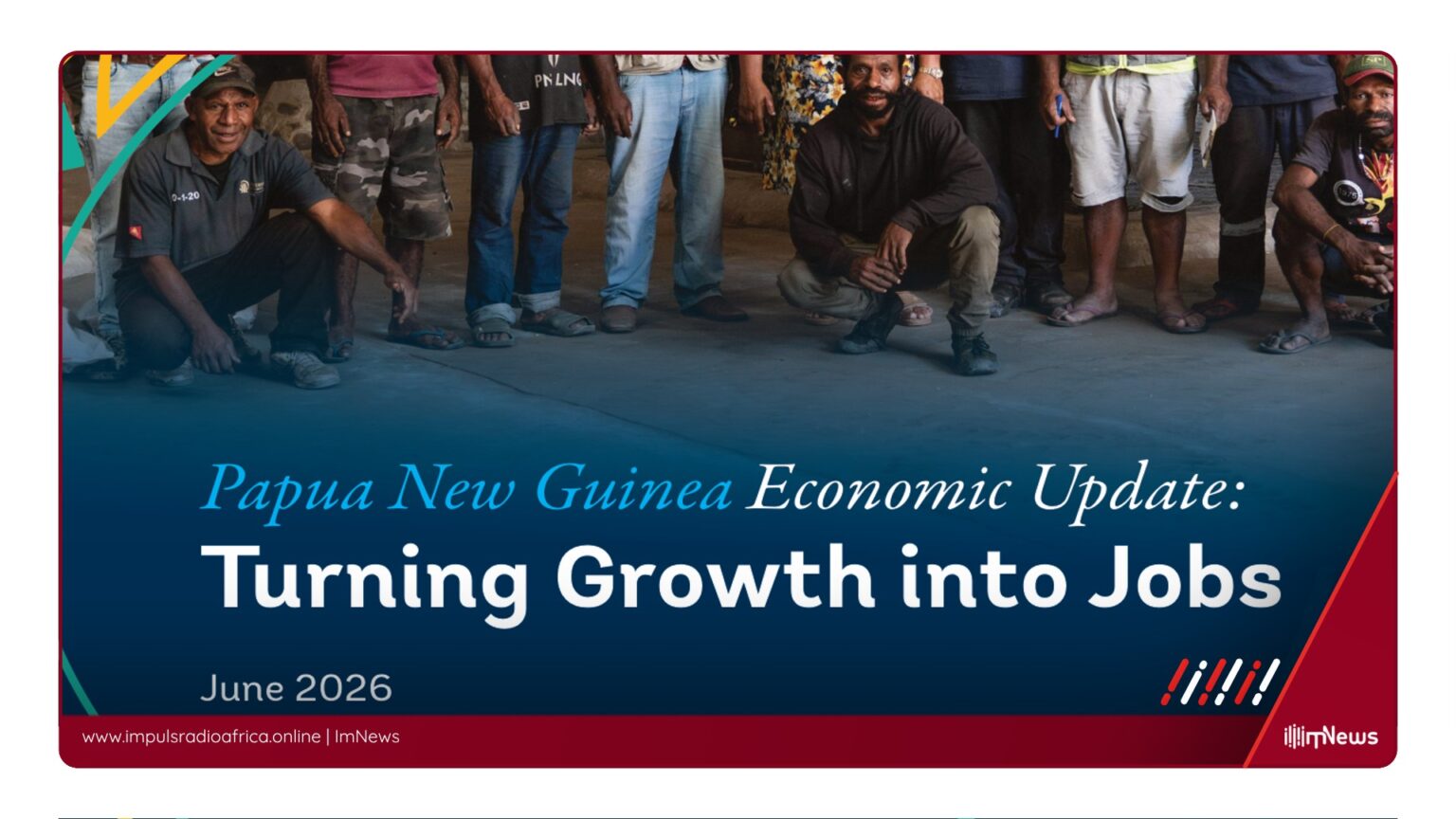
The World Bank Economic Update: Turning Growth into Jobs, released in June 2026, underscores the need for targeted investments in human capital, infrastructure, and the business environment to foster job creation and improve livelihoods. PNG’s Prime Minister James Marape’s government acknowledges the need for reforms to enhance public benefits from resource projects and improve the overall business climate. Efforts include establishing the Independent Anti-Corruption Commission (ICAC) and a synchronized national procurement system to enhance social and governance structures.
However, the effectiveness of these reforms in increasing public benefits from resource projects remains a question.
The World Bank emphasizes the importance of investing in people, infrastructure, and the business environment to create more jobs and improve livelihoods. This approach suggests that while PNG’s economy is growing, the focus must shift towards ensuring inclusive growth that benefits a wider segment of the population.
The Asian Development Bank (ADB) has forecasted that PNG’s economic growth will moderate to 3. 6 percent in 2026 and 3. 4 percent in 2027.
This underscores the need for sustained efforts to create jobs and promote economic stability. PNG’s economic future hinges on its ability to leverage its resource wealth to create sustainable jobs and reduce poverty.
As the country navigates the complexities of economic development, the next steps will be crucial in determining whether PNG can bridge the gap between economic growth and job creation.
*Additional reporting by ImNews | Sources consulted: 5*
—
This original article was produced by the ImNews editorial team
Source: reliefweb
Source: World Bank