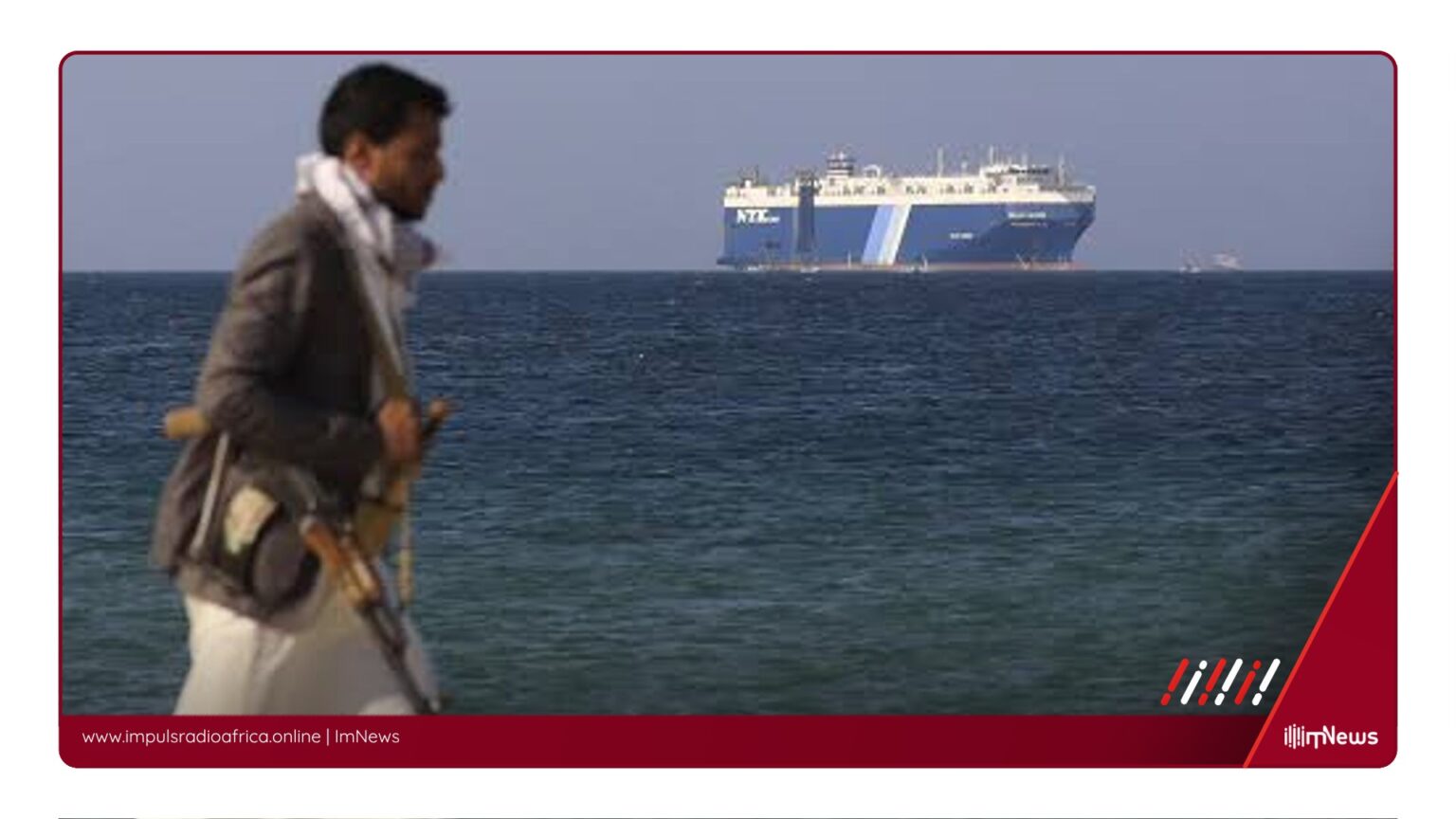
African Ports See Business Surge as Saudi Tankers Take Alternate Route BODY: Cape Town, South Africa – On July 21, 2026, the Xin Long Yang, Rodos, and Amazon, three Saudi oil tankers, altered their course, heading north towards Egypt’s Suez Canal, bypassing the Yemeni coast due to Houthi warnings. This rerouting, necessitated by the Houthis’declaration of a naval blockade against Saudi Arabia, has placed these vessels on a longer journey through the Mediterranean and around Africa’s Cape of Good Hope to reach Asia.
The Houthis’warning to shipping companies against operations at Saudi Arabian ports, along with the threat of targeting vessels in any location, has significantly increased the journey time and costs for these tankers. This strategic shift is a direct response to the heightened regional shipping risks, yet it also presents a newfound opportunity for African ports, which are witnessing increased traffic and potential economic benefits as a result of the longer route. Historically, the Red Sea and Bab el-Mandeb Strait have been crucial shipping routes for oil tankers moving between the Middle East and Asia.
However, the Houthis’involvement in conflicts has disrupted regional security and shipping routes, leading to the rerouting of these tankers as a strategic measure.
The rerouting is not only a testament to the importance of ensuring the safe passage of oil tankers in the region but also highlights the significance of alternative shipping routes during times of conflict and instability.
As a result, African ports, including Walvis Bay and Lüderitz in Namibia, Port Louis in Mauritius, Tanger Med in Morocco, Tema in Ghana, and Cape Town and Durban in South Africa, are positioned to benefit from the increased traffic and economic activity. This development is expected to have long-term implications for the maritime industry, with African governments encouraged to invest in expanding ports, increasing fuel-storage capacity, improving customs systems, and investing in ship-repair facilities to accommodate the new traffic patterns.
As the global maritime industry adapts to the disruptions caused by the Houthi naval blockade, African ports are set to capitalize on the increased traffic and potential economic opportunities that this rerouting presents.
*Additional reporting by ImNews | Sources consulted: 5*
—
This original article was produced by the ImNews editorial team
Source: Africa.businessinsider
Source: Olamilekan Okebiorun