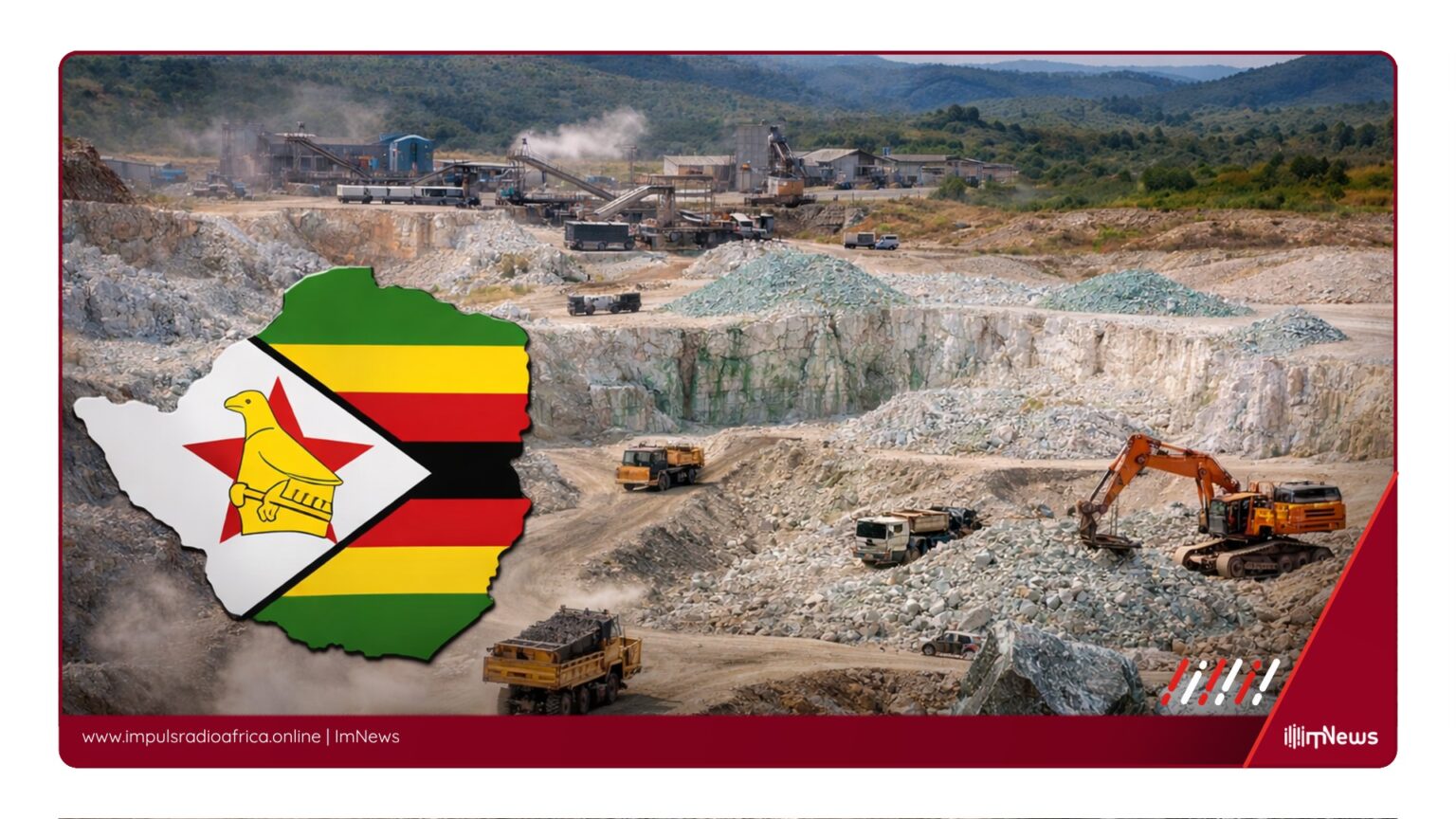
Zimbabwe’s Economic Uplift: $2. 5B Profit Boost From Local Mineral Processing Harare, Zimbabwe – In a remarkable economic development, Zimbabwe has witnessed a substantial surge in revenue, reaching a record $2. 5 billion in the first half of 2026, marking an 84% increase over the previous year’s same period.
This revenue surge is a direct result of increased global demand for minerals, especially lithium, combined with favorable commodity prices and the country’s strategic shift towards local mineral processing.
The Zimbabwean government’s policy decision to ban raw mineral ore and lithium concentrate exports in February 2026 has played a pivotal role. This initiative, which aims to foster local beneficiation and value capture, has significantly contributed to the revenue increase. By processing more minerals domestically, Zimbabwe has not only enhanced economic value but also secured a higher revenue realization.
Dr. Nomsa Moyo, the general manager of the Minerals Marketing Corporation of Zimbabwe (MMCZ), attributed the revenue hike to the growing global market demand for minerals, the favorable commodity prices, and the successful implementation of the domestic mineral processing policies. This shift has led to a more profitable export of processed products such as ferrochrome, steel, polished granite slabs, and lithium sulfate, which are valued much higher than unprocessed minerals.
Analysts predict that the mining sector could generate up to $21 billion in mineral export earnings within the next two years, potentially creating over 100,000 new jobs. This projection underscores the mining sector’s potential to become a significant driver of economic growth and job creation in Zimbabwe. While this mining boom is a positive development, it also raises questions about the long-term environmental and social impacts.
Increased mining activity could have significant environmental implications, particularly in areas where mining is most intensive.
The government must ensure that sustainable practices are in place to mitigate these impacts.
Furthermore, there is a need to ensure that the benefits of this mining boom are distributed equitably across the population. Addressing issues of inequality and ensuring that local communities benefit from the mining sector’s growth will be crucial for sustainable development.
As Zimbabwe continues to leverage its abundant mineral resources, the focus must be on balancing economic growth with sustainable practices and equitable distribution of benefits.
The government’s ability to manage the mining sector sustainably and equitably will be a key factor in determining the long-term success of this economic growth strategy. What lies ahead in Zimbabwe’s mining sector will be critical to understanding the country’s future economic trajectory.
*Additional reporting by ImNews | Sources consulted: 5*
—
This original article was produced by the ImNews editorial team
Source: Africa.businessinsider
Source: Chinedu Okafor