Russia and Equatorial Guinea Strengthen Military Ties Amidst Global Geopolitical Shifts ADDIS ABABA, Ethiopia — In a significant development on the African continent, Equatorial Guinea and Russia have reaffirmed their military cooperation, marking a strategic shift in the geopolitical landscape of the region.
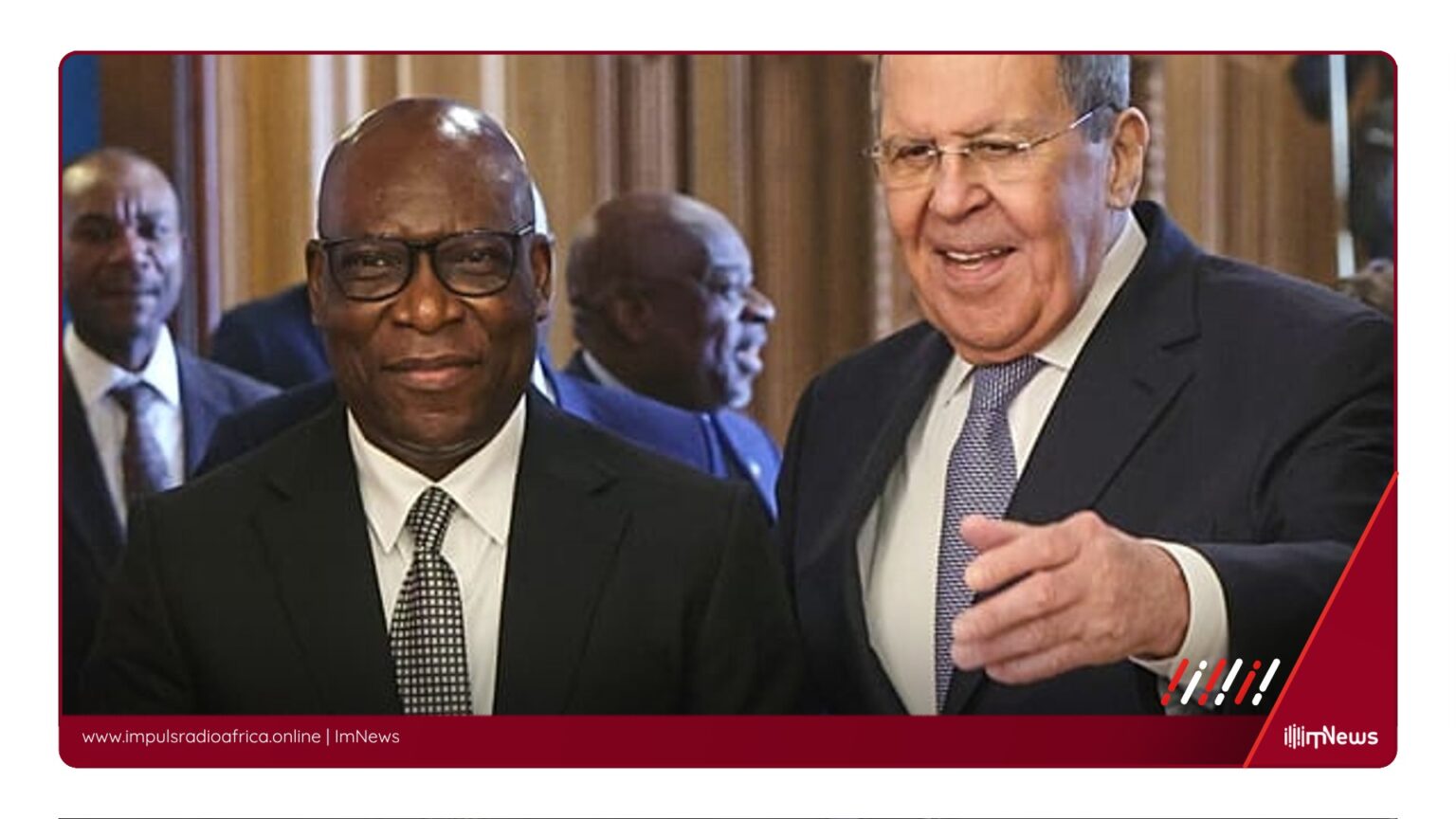
On May 18, 2026, Equatorial Guinea’s Foreign Minister Simeon Oyono Esono Angue met with Russian Foreign Minister Sergey Lavrov in Moscow to discuss defense and security matters. Equatorial Guinea’s Foreign Minister Simeon Oyono Esono Angue met with Russian Foreign Minister Sergey Lavrov in Moscow on May 18, 2026, to discuss defense cooperation, signaling a continuation of military-technical ties between the two nations.
NUT GRAF: The meeting underscores Russia’s growing influence in Africa, particularly in countries facing instability or strained relations with Western powers.
It also highlights Equatorial Guinea’s pursuit of strategic partnerships beyond its traditional allies, as the nation grapples with internal security challenges and international scrutiny over its human rights record. Russia has been actively expanding its presence in Africa through security partnerships, diplomatic outreach, and economic cooperation.
The visit of Foreign Minister Lavrov to Equatorial Guinea in September 2025 marked a significant step in deepening the two countries’defense ties. Lavrov’s recent statement in Moscow indicates Russia’s readiness to continue military-technical cooperation with Equatorial Guinea, emphasizing the countries’established relationship. Reports suggest that Russia has deployed up to 200 troops to Equatorial Guinea to protect the presidency and train elite guards in Malabo and Bata.
This military presence is part of a broader strategy by Russia to gain more influence in Africa, including sending mercenaries to protect military regimes and assist in fighting insurgents, as reported by the BBC. Equatorial Guinea, led by President Teodoro Obiang Nguema Mbasogo, has faced criticism for its human rights record, including arbitrary killings and torture, according to a US government report.
The country’s decision to engage with Russia on military matters raises concerns about its commitment to human rights and democratic principles.
DefenceWeb notes that Russia’s engagement in Africa has varied, with a focus on the Sahel and Central African Republic for security and defense reasons, while Southern Africa has seen less transactional but longer-standing ties. This strategic shift is part of a broader trend where African nations are seeking alternative security partners in response to the political and economic fallout of Western sanctions and isolation of Russia.
The expansion of Russian military influence in Africa is not without its challenges.
Critics argue that such partnerships may undermine regional stability and security, as well as democratic values.
However, the recent meeting between Lavrov and Angue suggests that the strategic interests of both nations are aligning, at least in the realm of defense and security. KICKER: As the global geopolitical landscape continues to evolve, the relationship between Russia and Equatorial Guinea is likely to be a point of interest for observers of African politics and international relations.
The outcome of this partnership could have far — reaching implications for the region’s security and stability, as well as the broader human rights landscape in Africa.
*Additional reporting by ImNews | Sources consulted: 5*
—
This original article was produced by the ImNews editorial team
Source: Africanews
Source: Rédaction Africanews