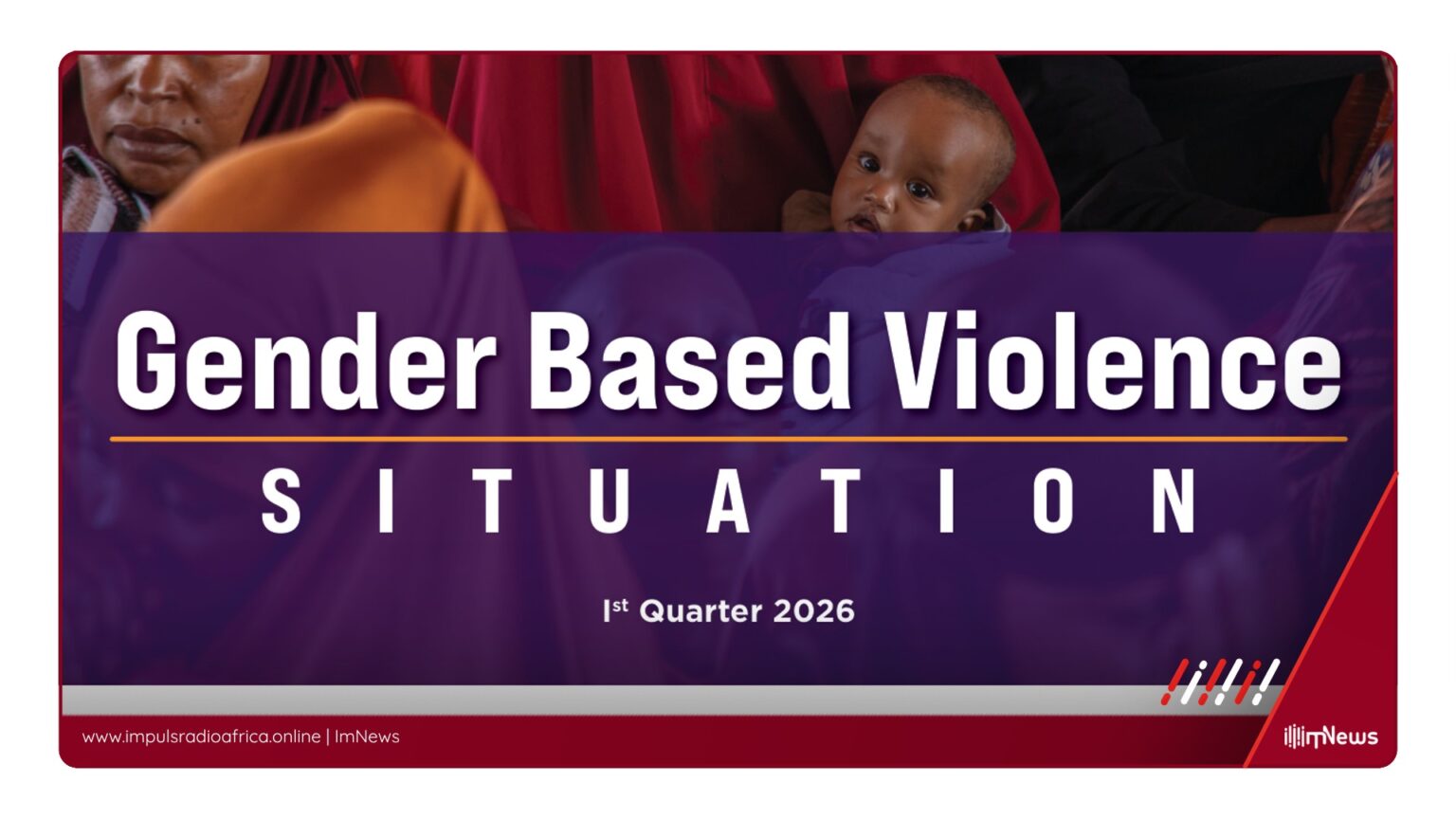
Officials commented on the matter. These factors have collectively led to a surge in Gender-Based Violence (GBV) cases across the country. During the first quarter of 2026, Somalia experienced heightened risks of GBV, primarily in regions such as Banadir, Lower Shabelle, Gedo, Bay, Hiraan, Middle Shabelle, and Mudug.
These areas, particularly high — density IDP settlements and conflict-affected districts, have seen an increase in insecurity, overcrowding, and limited access to services, all of which have heightened vulnerabilities.
The United Nations Population Fund (UNFPA) and other NGOs have reported that 61% of protection concerns from women and girls relate to direct physical safety risks, including harassment while collecting water and firewood, exposure to violence along insecure routes, and risks within households. Intimate Partner Violence (IPV) remains the most prevalent form of GBV, accounting for approximately 58% of reported incidents, with sexual violence representing about 14%.
The protection environment for women and girls has deteriorated further due to severe funding cuts, affecting specialized GBV services. Out of the 120 registered GBV facilities across Somalia, 66 (55%) are currently closed or non-operational, significantly constraining survivors’access to vital services such as case management, psychosocial support, health services, and safe reporting mechanisms. Adolescent girls, female-headed households, minority clan women, persons with disabilities, and newly displaced women and girls are identified as the most vulnerable groups.
IDP settlements are the epicenter of GBV incidents, where overcrowding, poor shelter conditions, lack of privacy, and inadequate lighting contribute to heightened protection risks, particularly at night. Despite the increased use of cash assistance through GBV case management, the available support remains insufficient to meet the growing needs.
The low reporting of sexual harassment and PSEA — related incidents continues due to stigma, fear of retaliation, and limited awareness of safe reporting channels. Immediate action is required to restore and sustain GBV services, reopen safe spaces, strengthen community-based protection mechanisms, expand cash assistance, improve lighting and safety infrastructure in displacement sites, and enhance dissemination of PSEA information across humanitarian sectors. Without urgent investment, the protection risks facing women and girls are likely to intensify amidst worsening humanitarian conditions and continued service disruptions.
*Additional reporting by ImNews | Sources consulted: 5*
—
This original article was produced by the ImNews editorial team
Source: reliefweb
Source: Gender Based Violence Area of Responsibility