The United Arab Emirates (UAE) has embarked on a strategic initiative to bolster trade and logistics ties with Nigeria, as both nations seek to navigate the tumultuous waters of global supply chain disruptions. This move, which underscores the UAE’s commitment to reinforcing economic resilience, was unveiled by Thani bin Ahmed Al Zeyoudi, the UAE’s Minister of Foreign Trade, during a pivotal meeting in Dubai.
The summit, organized by the Ports, Customs and Free Zone Corporation, aimed to tackle the logistical bottlenecks impacting regional cargo flows and to devise strategies for sustained trade continuity. Al Zeyoudi emphasized the UAE’s focus on ensuring the “continuity of trade flows” by fostering closer industry partnerships and implementing adaptive logistics policies. Central to this strategy is the development of alternative trade corridors and the enhancement of customs frameworks.
Nigeria, with an estimated $70 billion trade surplus, is a key player in this initiative. Jumoke Oduwole, Nigeria’s Minister for Trade and Investment, revealed that the country’s trade surplus reached ₦113 trillion in 2025, reflecting its robust export capabilities, particularly in the hydrocarbon sector.
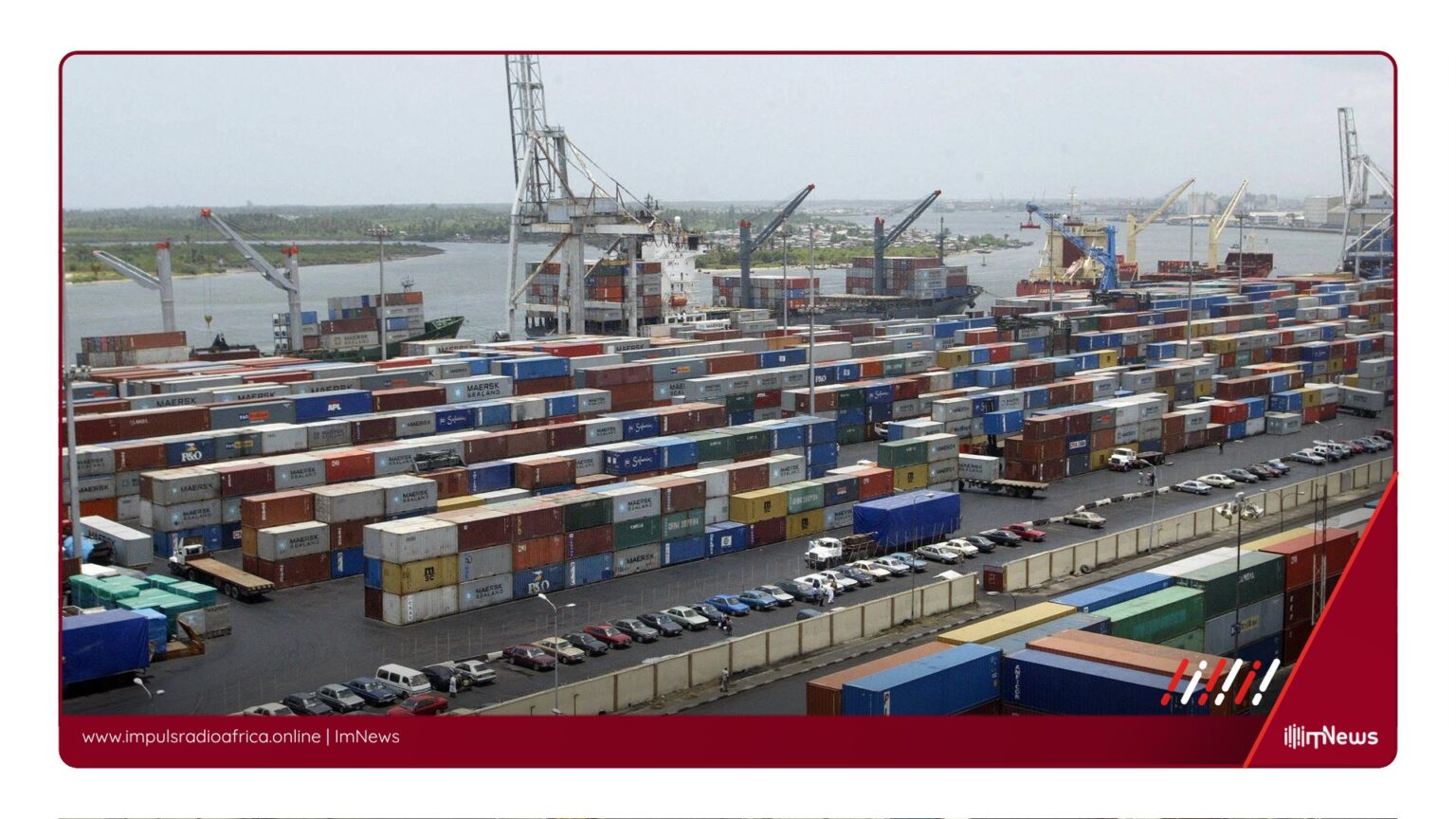
As Africa’s largest economy and a pivotal maritime hub, Nigeria’s trade performance is intricately linked to the stability of global supply chains. Disruptions in shipping networks can have cascading effects on key sectors such as energy, manufacturing, and agriculture.
The UAE’s senior officials highlighted the progress made in addressing these challenges. Abdulla bin Damithan noted the improved trade flows into the UAE, while Abdulla Busenad pointed to new customs measures aimed at expediting cargo movement. These include streamlined transit procedures and the acceptance of alternative guarantees for shipments.
The UAE is also piloting an Advance Cargo Information system for pre — arrival processing and launching a new maritime feeder service linking the region with India. These measures are designed to reduce delays and enhance connectivity, reflecting the broader effort to solidify the UAE’s position as a global logistics hub. For Nigeria, closer integration with Gulf-based trade infrastructure could provide a critical lifeline for stabilizing supply chains and supporting long-term economic growth.
As global trade patterns continue to evolve, this strategic partnership between the UAE and Nigeria could pave the way for a more resilient and interconnected future.
*Additional reporting by ImNews | Sources consulted: 5*
—
By This original article was produced by the ImNews editorial team
Source: Africa.businessinsider
Source: Segun Adeyemi