
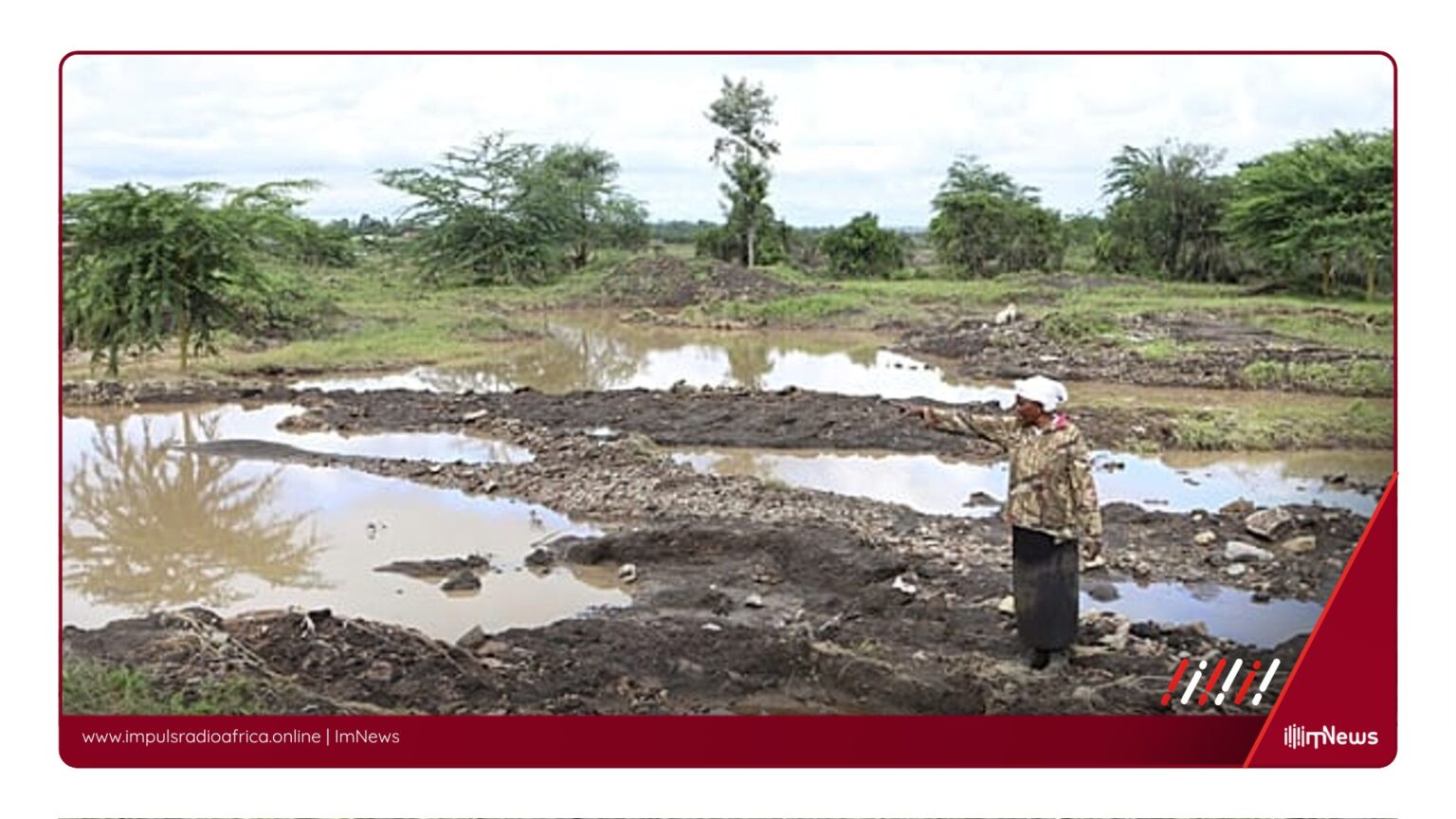
In a Concerning Shift, the United Nations Has Reported That Africa Has Overtaken Asia As the World’s Primary Hotspot for Hunger.
The State of Food Security and Nutrition in the World 2025 (SOFI 2025) report, published by five UN agencies, estimates that 673 million people worldwide experienced hunger in 2024, with Africa accounting for over 307 million, or roughly 20 percent of the continent’s population. This stark contrast stands in opposition to Asia’s 323 million hungry people, which represents a smaller population share of 6. 7 percent.
The report underscores the fragility of global progress against hunger, with the prevalence of undernourishment in Asia falling from 7. 9 percent in 2022 to 6. 7 percent in 2024, while in Latin America and the Caribbean, it decreased to 5.
1 percent.
However, Africa’s situation remains dire, with President of the International Fund for Agricultural Development (IFAD), Alvaro Lario, warning that geopolitical tensions and potential disruptions to shipping and energy supplies could exacerbate the crisis, potentially pushing an additional 9 to 18 million people into hunger. Lario attributed the rise in hunger in Africa to the interplay of conflicts, energy market disruptions, and climate extremes. He highlighted the vulnerability of small-scale farmers, many of whom rely on diesel fuel for irrigation, harvesting, and transportation, noting that rising fuel costs are directly impacting food prices.
The report identifies affordability as one of the world’s biggest food security challenges, with roughly one-third of the global population still unable to afford a healthy diet, and this figure rises to about 77 percent in low-income countries. Climate change is also adding pressure to food systems and rural livelihoods, with extreme weather events disrupting agriculture around the world.
The report’s findings come at a critical time as Africa grapples with the impacts of climate change, economic instability, and political conflicts.
The African Union’s Agenda 2063 aims to accelerate economic growth and development, but the current state of hunger poses a significant barrier to achieving these goals.
As Africa’s hunger crisis intensifies, the UN’s report serves as a call to action for governments, international organizations, and the global community to address the root causes of hunger and work towards a sustainable solution.
The path ahead is fraught with challenges, but the urgency of the situation demands immediate attention and coordinated efforts to combat hunger and improve food security on the continent.
*Additional reporting by ImNews | Sources consulted: 5*
—
This original article was produced by the ImNews editorial team
Source: Africanews
Source: AfricaNews