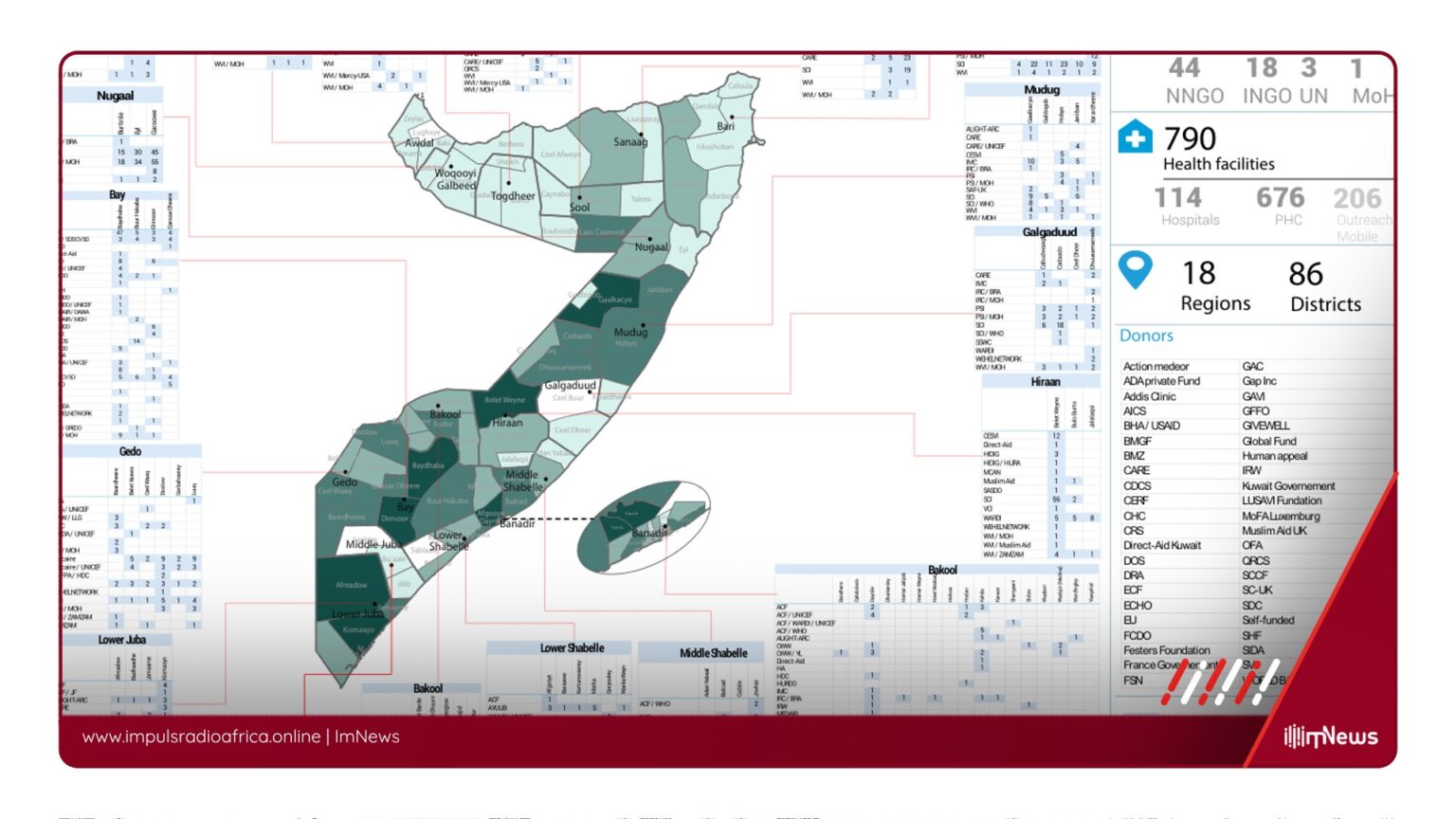
Mogadishu, Somalia — Health Cluster Efforts Intensify Amidst Somalia’s Humanitarian Crisis Mogadishu, Somalia – The Health Cluster’s operational presence map, released in May 2026, underscores the pressing healthcare challenges within Somalia’s humanitarian landscape.
The map reveals a complex web of partnerships and interventions aimed at reaching vulnerable populations amidst a backdrop of conflict, drought, and disease outbreaks.
The Health Cluster, a coordination mechanism led by the World Health Organization (WHO), focuses on providing lifesaving health services to those affected by humanitarian crises.
As of the first quarter of 2026, the Health Cluster coordinates 24 Clusters/Sectors and one regional coordination mechanism across various humanitarian settings, including Somalia.
In Somalia, the Health Cluster is targeting 2. 4 million people, prioritizing high-severity areas with low service availability and high disease burdens.
The map indicates that these efforts are concentrated in regions where access constraints, funding cuts, and supply disruptions are further limiting response capacity.
The operational presence map highlights the distribution of partners across Somalia, showing where healthcare services are being delivered and the level of collaboration between various organizations. It also reveals the geographical extent of the health crisis, with a significant presence in regions most affected by conflict and drought.
In 2026, it is estimated that 5 million people in Somalia will need health assistance. Outbreaks of measles, diphtheria, and Acute Watery Diarrhea (AWD)/cholera pose major risks, particularly for children, pregnant women, and displaced populations.
The map underscores the importance of reaching these vulnerable groups with timely and effective healthcare interventions.
The WHO’s Health Cluster reports that the response to the humanitarian crisis in Somalia is underfunded, with only 14% of the required US$2. 68 billion funded as of March 2026. This funding gap highlights the urgent need for increased international support to ensure the provision of essential healthcare services.
Response plans in Somalia are focused on lifesaving services, outbreak control, and integrated health and nutrition support. Efforts are particularly targeted at reaching hard-to-access populations, including internally displaced persons and those in remote areas affected by conflict and drought.
The operational presence map serves as a valuable tool for both humanitarian organizations and policymakers, providing a clear overview of the current healthcare landscape in Somalia.
It underscores the critical role of coordination and collaboration in addressing the complex healthcare challenges faced by the Somali population.
The Health Cluster’s efforts are part of a broader humanitarian response plan aimed at providing assistance to the millions of Somalis affected by the ongoing crisis.
The map highlights the need for sustained and coordinated efforts to ensure that essential healthcare services reach those most in need.
As Somalia continues to grapple with the impacts of conflict, drought, and disease outbreaks, the operational presence map serves as a reminder of the challenges ahead. It also underscores the importance of ongoing support from the international community to address the healthcare needs of the Somali population.
The map’s release comes as the Health Cluster continues to work tirelessly to provide lifesaving healthcare services in one of the world’s most challenging humanitarian contexts.
It is a testament to the dedication and resilience of those on the frontlines of Somalia’s health crisis.
*Additional reporting by ImNews | Sources consulted: 5*
—
This original article was produced by the ImNews editorial team
Source: reliefweb
Source: Health Cluster