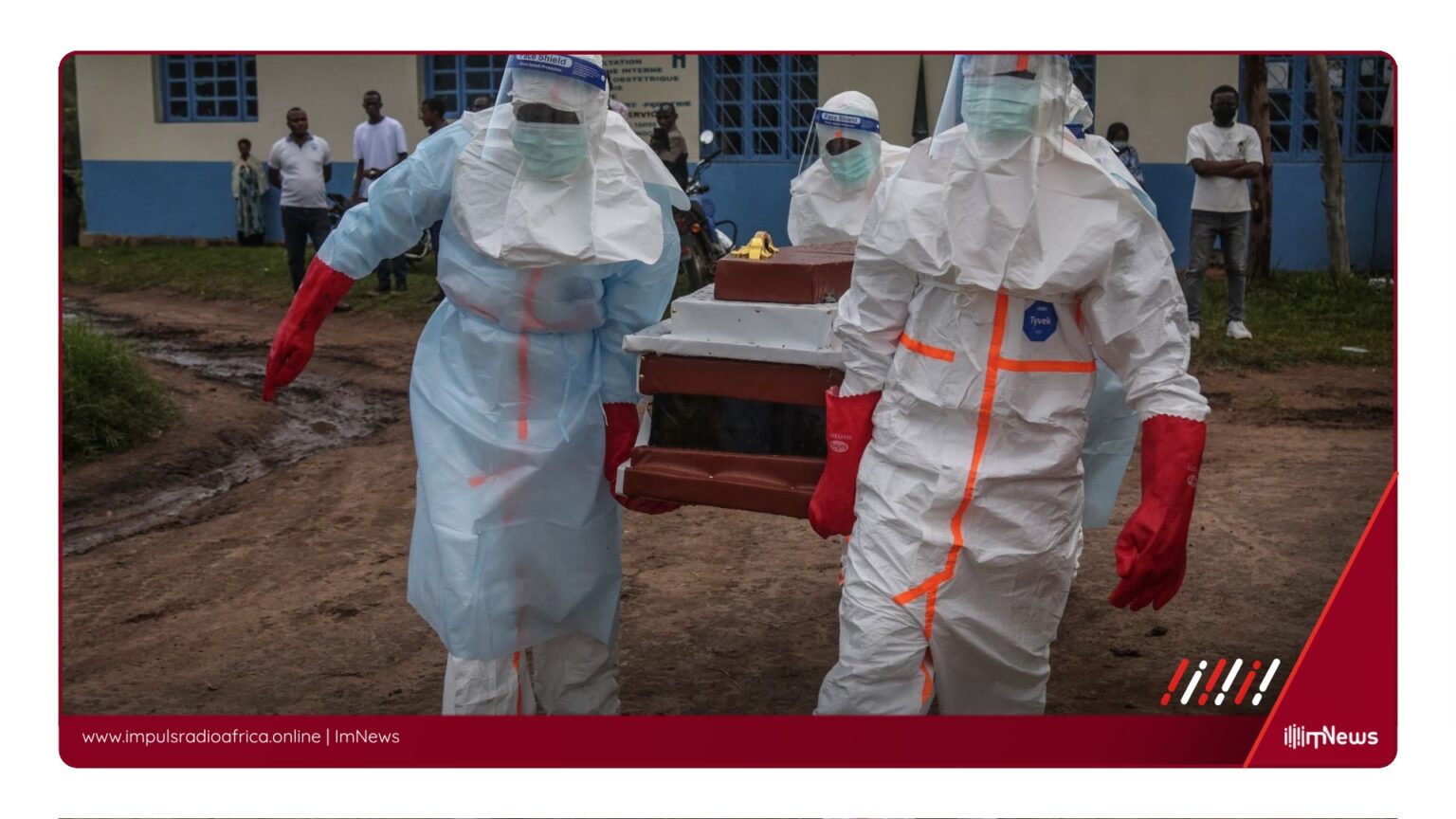
Ebola Outbreak in DR Congo Escalates to ‘Very High’Public Health Risk BODY: Nairobi, Kenya – The World Health Organization (WHO) has raised the public health risk of the Ebola outbreak in the Democratic Republic of the Congo (DRC) to “very high, “reflecting the severity and potential for the virus to spread beyond its current epicenter in Ituri Province.
The announcement by WHO Director — General Tedros Adhanom Ghebreyesus highlights the urgency of the situation and the need for a coordinated international response.
The outbreak, caused by the Bundibugyo strain of Ebola, is particularly concerning due to its virulence and the absence of an approved vaccine or treatment.
As of May 2026, there have been 8 laboratory-confirmed cases, 246 suspected cases, and 80 suspected deaths reported in Ituri Province.
The WHO’s upgraded risk assessment underscores the challenges faced by the DRC in containing the virus, compounded by the country’s fragile healthcare infrastructure and governance issues.
The presence of the Bundibugyo strain, known for its higher virulence and mortality rates than other Ebola strains, and the lack of targeted vaccines or treatments, make the current outbreak particularly difficult to manage.
The WHO’s decision to raise the risk level to “very high “is a clear indication of the seriousness of the situation and the immediate need for attention.
The organization has deployed additional personnel to the epicenter to support affected communities and assist in response efforts.
However, the presence of the virus in Kinshasa, the DRC’s capital, raises concerns about the potential for wider spread.
The Centers for Disease Control and Prevention (CDC) has issued a Health Advisory, alerting clinicians, public health practitioners, and travelers about the outbreak. While the risk of spread to the United States is considered low, the advisory underscores the need for vigilance and preparedness globally.
The international community’s response to the outbreak has been mixed, with some countries offering support, including medical supplies and personnel, while others have been slower to respond.
The lack of an approved vaccine or treatment for the Bundibugyo strain further complicates the response efforts.
The ongoing Ebola outbreak in the DRC serves as a stark reminder of the challenges posed by emerging infectious diseases.
The lack of preparedness and the limited availability of effective treatments and vaccines highlight the need for continued investment in global health security and research into new treatments and preventive measures.
As the outbreak continues to unfold, the international community must remain vigilant and committed to supporting the DRC in its efforts to contain the virus and protect its population.
The WHO’s upgraded risk assessment is a call to action, and it is crucial that all stakeholders work together to address this urgent public health threat.
*Additional reporting by ImNews | Sources consulted: 5*
—
This original article was produced by the ImNews editorial team
Source: aljazeera
Source: Al Jazeera Staff, AFP and Reuters