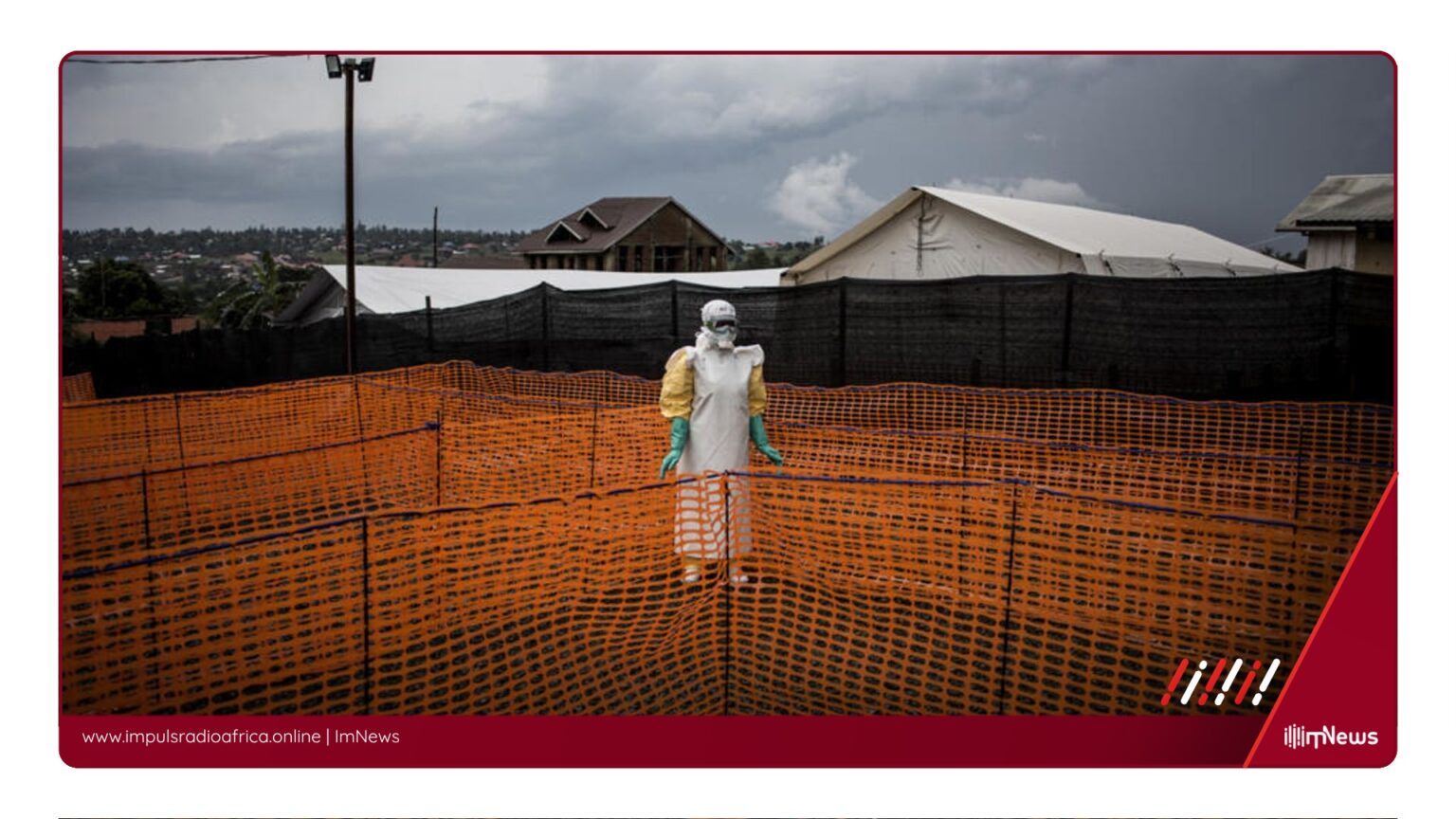
Kampala, Uganda — The World Health Organization (WHO) has announced the declaration of the Ebola outbreak in the Democratic Republic of Congo (DRC) as a “Public Health Emergency of International Concern “(PHEIC), effective immediately. This classification reflects the gravity of the situation, with the Bundibugyo strain of Ebola posing a substantial threat to both regional and global health security.
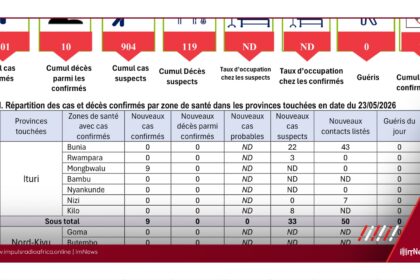
As of May 16, the DRC’s Ituri Province has reported 88 fatalities and 336 suspected cases of the disease.
The Africa Centres for Disease Control and Prevention (Africa CDC) has confirmed 246 cases and 80 deaths, with one case of imported Ebola from DR Congo also reported in Uganda. This marks the 17th Ebola outbreak in the DRC since the virus was first identified in 1976, with the current outbreak primarily affecting the gold-mining towns of Mongwalu and Rwampara in the Ituri province.
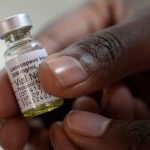
The absence of approved therapeutics or vaccines for the Bundibugyo virus adds urgency to the situation, as the strain has no specific treatment and a high lethality rate, which can reach 50 percent.
The WHO’s PHEIC declaration is based on the high positivity rate of initial samples and the growing number of suspected cases, indicating a potentially larger outbreak than currently detected. While the WHO has not yet declared the outbreak a pandemic emergency, neighboring countries are at high risk due to proximity and cross-border movement.
The PHEIC declaration is expected to mobilize increased international support and resources to help contain the outbreak. DRC’s Health Minister, Samuel-Roger Kamba, emphasized the urgency of the situation, noting, “The Bundibugyo strain has no vaccine, no specific treatment. This strain has a very high lethality rate, which can reach 50 percent. “.
The PHEIC declaration is a critical step in mobilizing the global health community to address the outbreak. It is anticipated to lead to increased funding, technical assistance, and coordination among international organizations, governments, and non-governmental organizations to contain the spread of the virus and provide care to those affected.
As the situation evolves, it is crucial for the DRC and Uganda to implement robust public health measures, including surveillance, contact tracing, and community engagement, to prevent further transmission.
The international community must also be prepared to offer the necessary support to these countries in their efforts to control the outbreak and safeguard the health of their populations.
The declaration of a PHEIC serves as a stark reminder of the ongoing challenges posed by infectious diseases and the importance of preparedness and collaboration in the face of such threats. It underscores the need for continued investment in global health security and the importance of strong public health systems to respond to emerging health crises.
*Additional reporting by ImNews | Sources consulted: 5*
—
This original article was produced by the ImNews editorial team
Source: rfi
Source: RFI