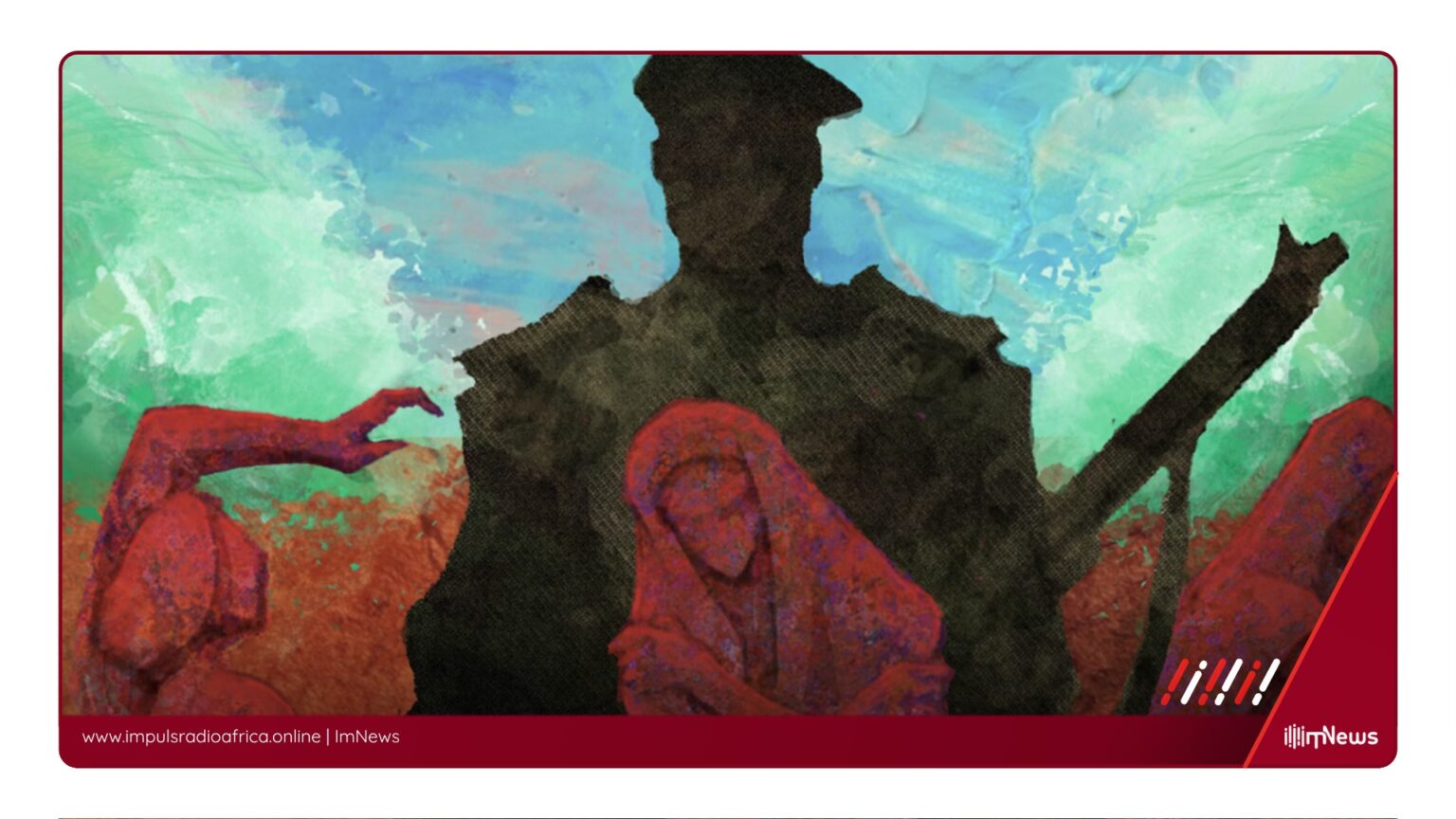
Sexual Abuse Crisis Intensifies in Mozambique’s Cabo Delgado Amidst Ongoing Conflict BODY: Kigali, Rwanda – In Mozambique’s Cabo Delgado province, the humanitarian crisis has deepened with a reported surge in sexual violence amidst a prolonged conflict.
The situation has garnered international concern, with organizations such as Human Rights Watch (HRW) and the United Nations Office for the Coordination of Humanitarian Affairs (UNocha. Org) voicing alarm over the escalating violence.
The province, rich in natural gas, precious stones, and lithium, has been a focal point for the conflict, which pits Islamist militants against the Mozambican military.
The region’s natural resources have exacerbated the situation, along with the impact of natural disasters and the displacement of thousands of people.
The Mozambique National Institute for Disaster Management (INGD) reported that, as of January 19, 2026, nearly 600,000 people have been affected by severe flooding, further complicating the humanitarian situation.
The escalation of conflict has seen non — State armed groups (NSAGs) intensify their attacks across Cabo Delgado, leading to the burning of homes, looting, and civilian casualties. This environment has left women and girls particularly vulnerable to sexual violence. HRW has noted a similar trend in the Democratic Republic of Congo, where conflict-related sexual violence has escalated, and survivors face a climate of impunity and inadequate healthcare.
The lack of effective response mechanisms in Cabo Delgado has allowed the surge in sexual violence to continue unchecked. UNocha. Org has highlighted the high vulnerability of those returning to their home areas in the province, due to the widespread destruction of social services.
The crisis in Cabo Delgado underscores the need for a comprehensive and coordinated response from the Mozambican government and the international community.
The situation demands not only a military solution but also a focus on the protection of civilians, especially women and girls, and the provision of essential services to displaced populations.
*Additional reporting by ImNews | Sources consulted: 5*
—
This original article was produced by the ImNews editorial team
Source: rfi
Source: RFI