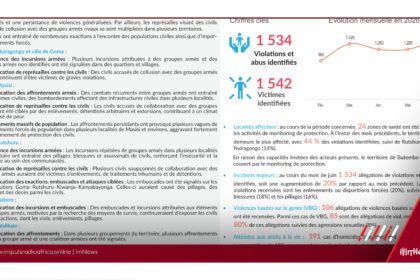
In the Democratic Republic of the Congo (DRC), the humanitarian and protection situation has witnessed a sharp decline since the start of 2025, exacerbated by chronic fragility and ongoing instability.
The escalation of armed conflicts between the Forces armées de la République démocratique du Congo (FARDC) and the Alliance Fleuve Congo/Mouvement du 23 mars (AFC/M23), especially in the provinces of Nord-Kivu and Sud-Kivu, has been a pivotal factor contributing to this instability. This has led to increased violence and displacement, further straining the country’s resources and social fabric. Parallel to these conflicts, the DRC is addressing major health crises, including the outbreaks of Mpox, cholera, and Ebola.
The World Bank Group has responded swiftly to the Ebola outbreak in the DRC and Uganda, focusing on saving lives, containing the spread of disease, and preserving essential health services during the crisis.
The Ebola outbreak, caused by the Bundibugyo virus, has been declared a Public Emergency of International Concern, necessitating a coordinated regional response. UNICEF has been supporting the government’s leadership in the Ebola response through its co-leadership of the RCCE and IPC/WASH pillars, aiming to strengthen technical coordination and promote partner alignment across affected health zones.
The escalating conflicts and health crises have significant implications for the DRC’s stability and the region’s humanitarian situation.
The international community, including the United Nations, World Bank, and other partners, is closely monitoring the situation and providing support where needed. Amid these challenges, the Cluster Protection in the DRC and its Areas of Responsibility (AoR) have remained fully committed to implementing their 2023–2025 strategy. Through collaborative efforts with partners, nearly 2.
6 million people have received protection assistance, including 56% of children, 36% of adults aged 18 to 59, and 8% of older persons.
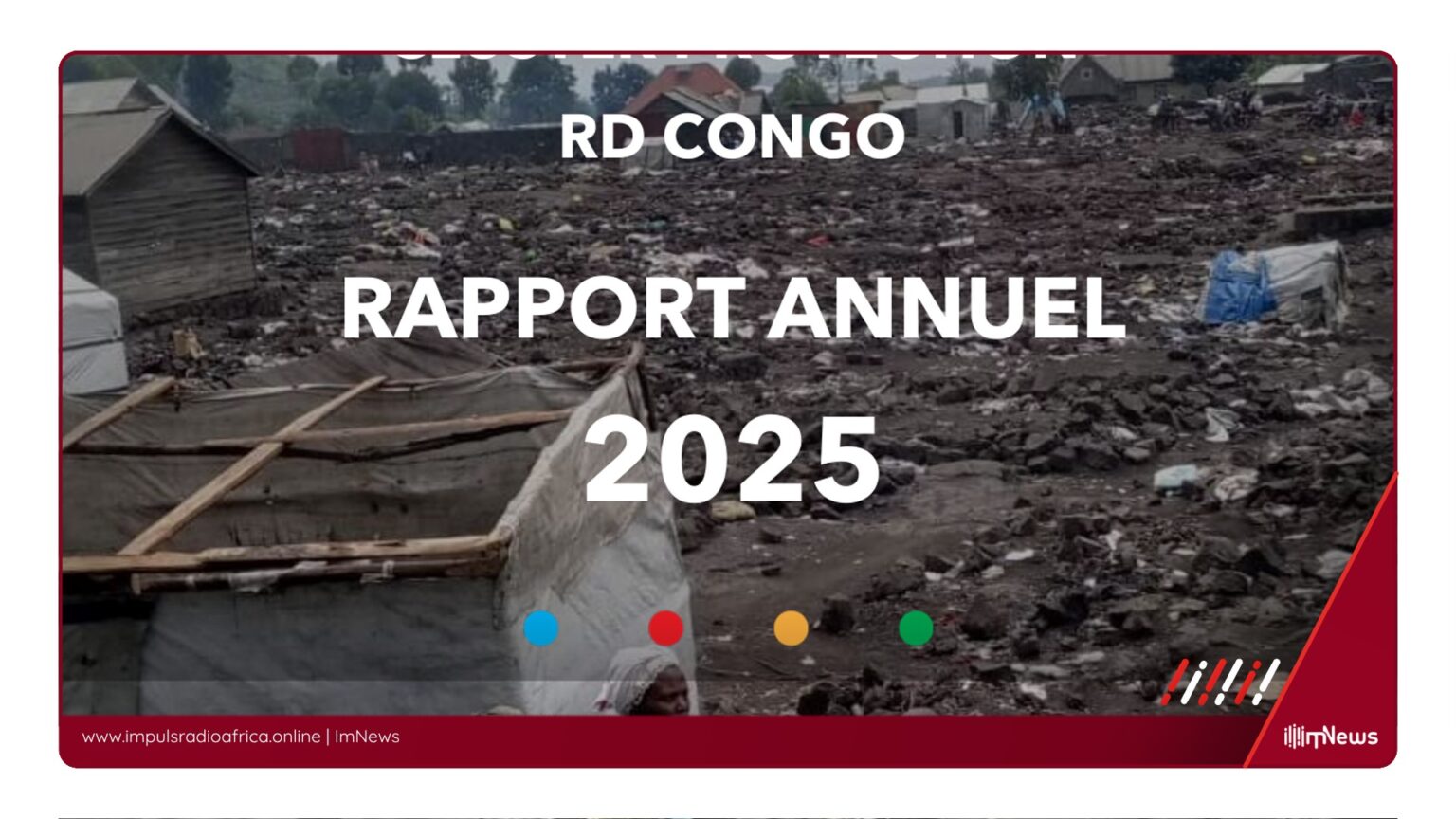
The 2025 annual report of the Protection Cluster highlights the main dynamics of the crisis, operational priorities, and progress made in the implementation of the humanitarian response plan. It underscores the magnitude of the challenges faced, as well as the responses to protect the most vulnerable populations in one of the world’s most complex humanitarian contexts.
*Additional reporting by ImNews | Sources consulted: 5*
—
This original article was produced by the ImNews editorial team
Source: reliefweb
Source: Protection Cluster