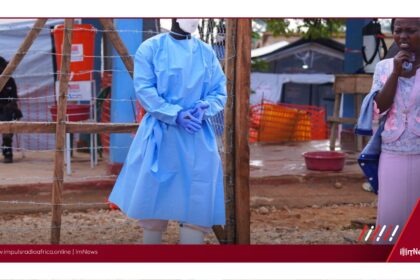

KINSHASA, DEMOCRATIC REPUBLIC OF THE CONGO — An escalating Ebola outbreak in the Democratic Republic of the Congo (DRC) and Uganda has now surpassed 1,500 confirmed cases, with the Bundibugyo virus disease (BVD) taking a heavy toll.
The DRC reported 1,460 confirmed cases and 452 deaths by July 19, 2026, while Uganda recorded 20 confirmed cases, including two fatalities. Community engagement remains high, yet questions about transmission, symptoms, and care pathways persist.
The Africa Infodemic Response Alliance (AIRA) reported that while awareness of the outbreak is widespread, this has not translated into practical understanding needed for timely care and cooperation with response efforts. Safe and dignified burials continue to be a sensitive issue, with funeral-related concerns fueling mistrust and operational challenges for response teams. Misinformation about medicines and traditional remedies, alongside political narratives and insecurity, further complicate the situation, increasing the risk of delayed care-seeking and self-medication.
Public demand for transparency regarding case numbers, validation processes, and official announcements has been echoed by AIRA’s findings, emphasizing the importance of two-way communication in emergency response.
The WHO warns that the DRC’s outbreak is spreading faster than aid efforts can keep pace, despite treatment capacity gains and growing community engagement.
The World Bank is mobilizing financing and technical support, while the PARTNERS clinical trial evaluates potential treatments for BVD.
The outbreak underscores the critical need for rapid detection, laboratory confirmation, isolation of cases, contact tracing, infection prevention measures, and community engagement to control filovirus disease outbreaks.
The UNFPA has called for a cessation of hostilities in the eastern areas where the virus has taken hold, emphasizing the importance of regional cooperation in containing the outbreak.
*Additional reporting by ImNews | Sources consulted: 5*
—
This original article was produced by the ImNews editorial team
Source: Africa Health