Officials commented on the matter. 5 million people in Sudan are addressing acute food insecurity, with some experiencing catastrophic levels, according to the World Food Programme (WFP). This stark reality is compounded by the ongoing conflict between the Sudan Armed Forces (SAF) and the Rapid Support Forces (RSF), which has persisted since April 2023 and has yet to see a successful ceasefire.
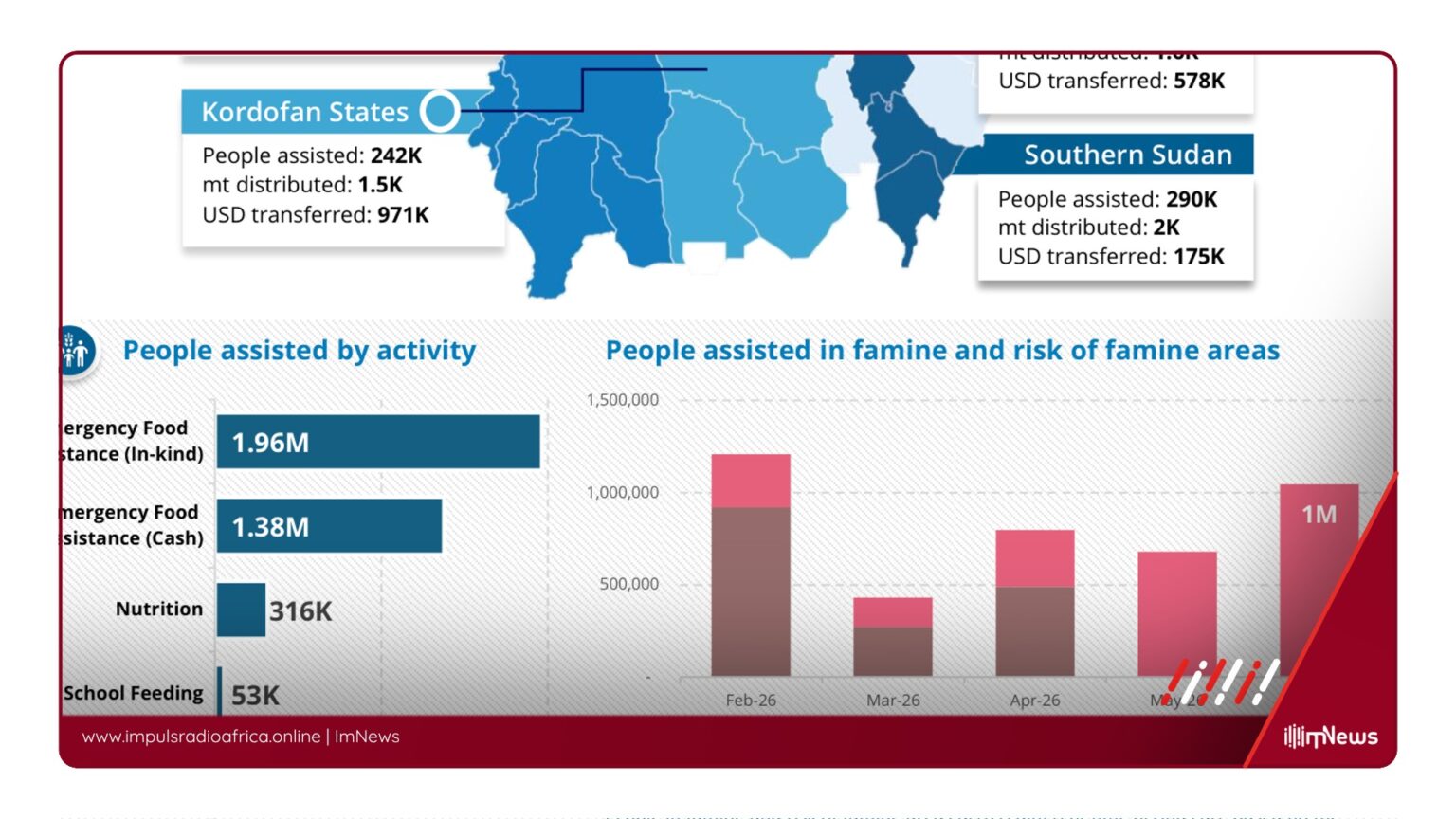
The WFP has been at the forefront of efforts to provide relief, reaching approximately 4 million people in Sudan each month.
However, the scale of the crisis remains daunting, with multiple areas at risk of famine and a massive displacement crisis affecting 9 million people.
The situation has been further exacerbated by the lack of a sustainable peace deal, which has led to a humanitarian crisis that has now spanned over three years.
The UK government’s latest note on the security situation in Sudan underscores the ongoing conflict and the failure of ceasefires, highlighting the challenges faced by aid organizations.
The UNHCR’s reports on the displacement crisis further illustrate the plight of the Sudanese people, noting that hundreds of thousands have fled into neighboring countries or returned to Sudan under adverse circumstances.
The WFP’s situation report emphasizes the scale of food insecurity, with millions of people requiring assistance. “.
Almost 19. 5 million people face crisis levels of hunger, with some already in catastrophic conditions, “the report states.
The situation is particularly dire in North Kordofan state, where the WFP has warned that the humanitarian situation is rapidly deteriorating.
Eastern Africa remains one of the world’s most severe humanitarian hotspots, with 48. 5 million people in need of assistance in 2026.
The second quarter saw food insecurity worsen, with 40.
5 million people facing Crisis (IPC Phase 3) or worse levels of food insecurity, 1. 6 million more than in the first quarter.
The humanitarian crisis in Sudan is not only a national emergency but also a regional concern.
The potential cross — border spread of Ebola from the DRC poses an additional regional risk, adding to the challenges faced by aid organizations and the Sudanese people.
As the situation continues to unfold, the international community remains concerned about the welfare of the Sudanese people.
The UN Central Emergency Response Fund has allocated $2 million to address the crisis, while the UN and aid partners are supporting a $40 million Government-led preparedness plan against Ebola in Rwanda.
The WFP Sudan Country Brief for July 2026 indicates that the organization and its partners are supporting livelihood interventions that reach 1,000 refugee households and 200 host-community households.
However, the scale of the crisis requires a coordinated and sustained effort from the international community to ensure that the basic needs of the Sudanese people are met.
The road to stability and peace in Sudan is fraught with challenges, but the immediate priority remains providing aid and support to those most in need.
As the situation evolves, the world watches and hopes for a resolution that will bring an end to the suffering and pave the way for a brighter future for the people of Sudan.
*Additional reporting by ImNews | Sources consulted: 5*
—
This original article was produced by the ImNews editorial team
Source: reliefweb
Source: World Food Programme