Refugee Influx and Economic Growth in Benin: A Closer Look at the Numbers DATELINE: Cotonou, Benin — LEAD Benin, a lower-middle-income country in West Africa, faces the dual challenge of socio-economic challenges and a significant influx of refugees and internally displaced persons (IDPs).
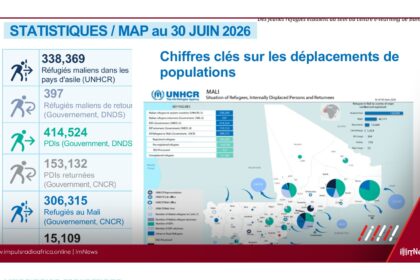
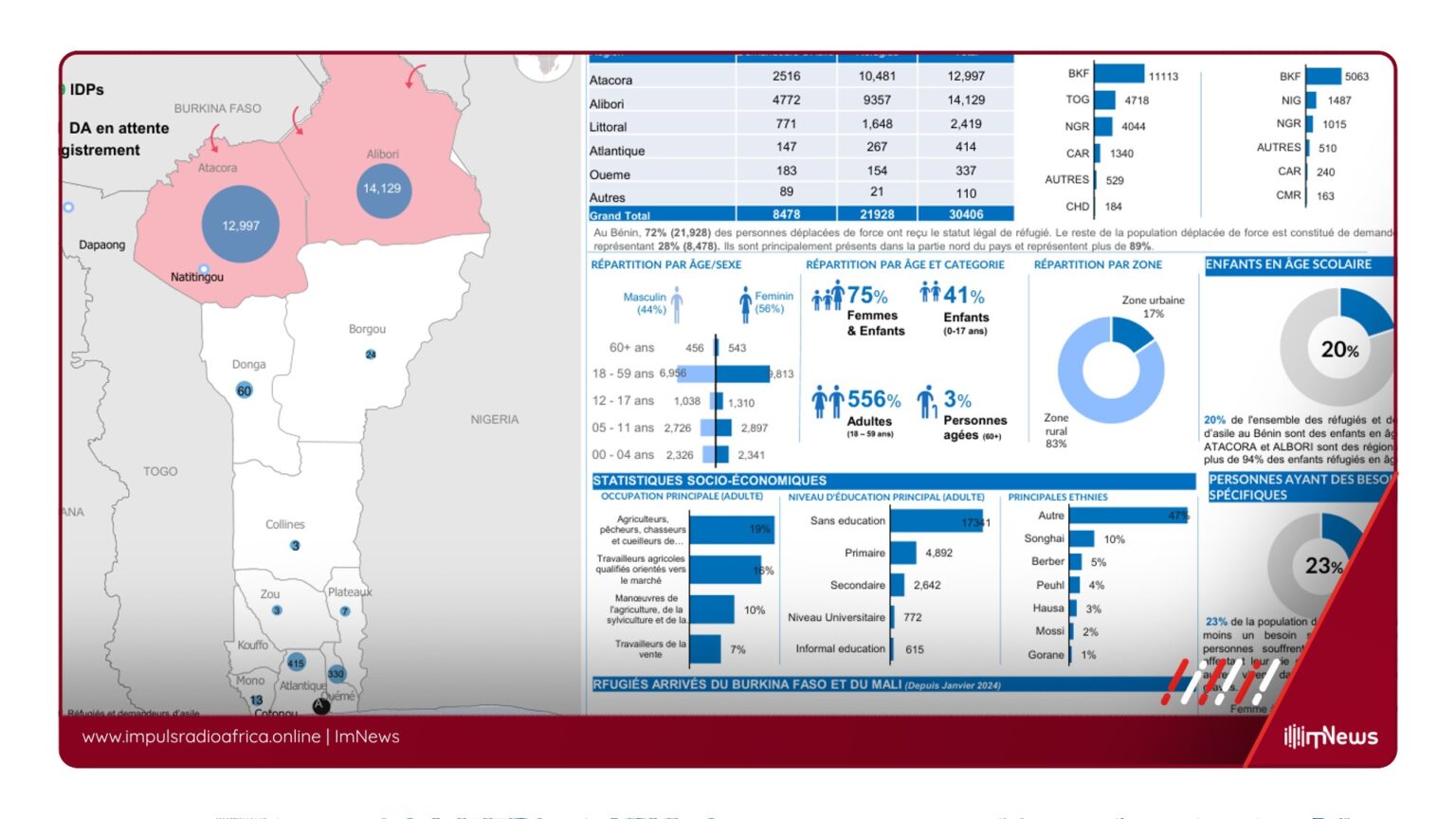
As of 31 May 2026, the country hosts over 21,000 refugees, 7,000 asylum seekers, and 14,000 individuals awaiting registration, according to data from the United Nations High Commissioner for Refugees (UNHCR). Amidst these demographic shifts, the country’s economy has shown modest growth, particularly in the industrial sector.
Benin’s population was estimated at 14.
The country’s economic growth has been bolstered by a 7. 2% increase in industrial goods production in the first quarter of 2026, compared to the same period in 2025, as indicated by the World Bank’s analysis of productivity growth and jobs.
The UNHCR’s data reflects a complex demographic situation in Benin.
The number of refugees and asylum seekers, including those awaiting registration, totals over 42,000. This figure does not include the internally displaced persons, who number 42,409, highlighting the scale of the humanitarian crisis within the country.
The influx of refugees and IDPs has placed a strain on Benin’s resources, but it has also presented opportunities for economic development.
The presence of a diverse population can stimulate economic activity, particularly in sectors such as agriculture, services, and now, industry.
The AfDB’s diagnostic note on Benin’s economic situation suggests that the country’s economic growth could be further enhanced by addressing challenges such as infrastructure development, improving governance, and enhancing the business environment.
The industrial sector’s growth is a particularly noteworthy development.
The increase in industrial production suggests that Benin may be on the path to diversifying its economy beyond traditional sectors like agriculture. This could potentially create jobs and reduce the country’s reliance on foreign aid.
KICKER: As Benin continues to grapple with the challenges of socio-economic development and humanitarian crises, the recent growth in the industrial sector offers a glimmer of hope for sustainable economic progress.
The country’s ability to harness the potential of its diverse population and manage the resources effectively will be critical in determining its future trajectory.
*Additional reporting by ImNews | Sources consulted: 5*
—
This original article was produced by the ImNews editorial team
Source: reliefweb
Source: UN High Commissioner for Refugees