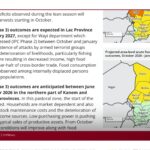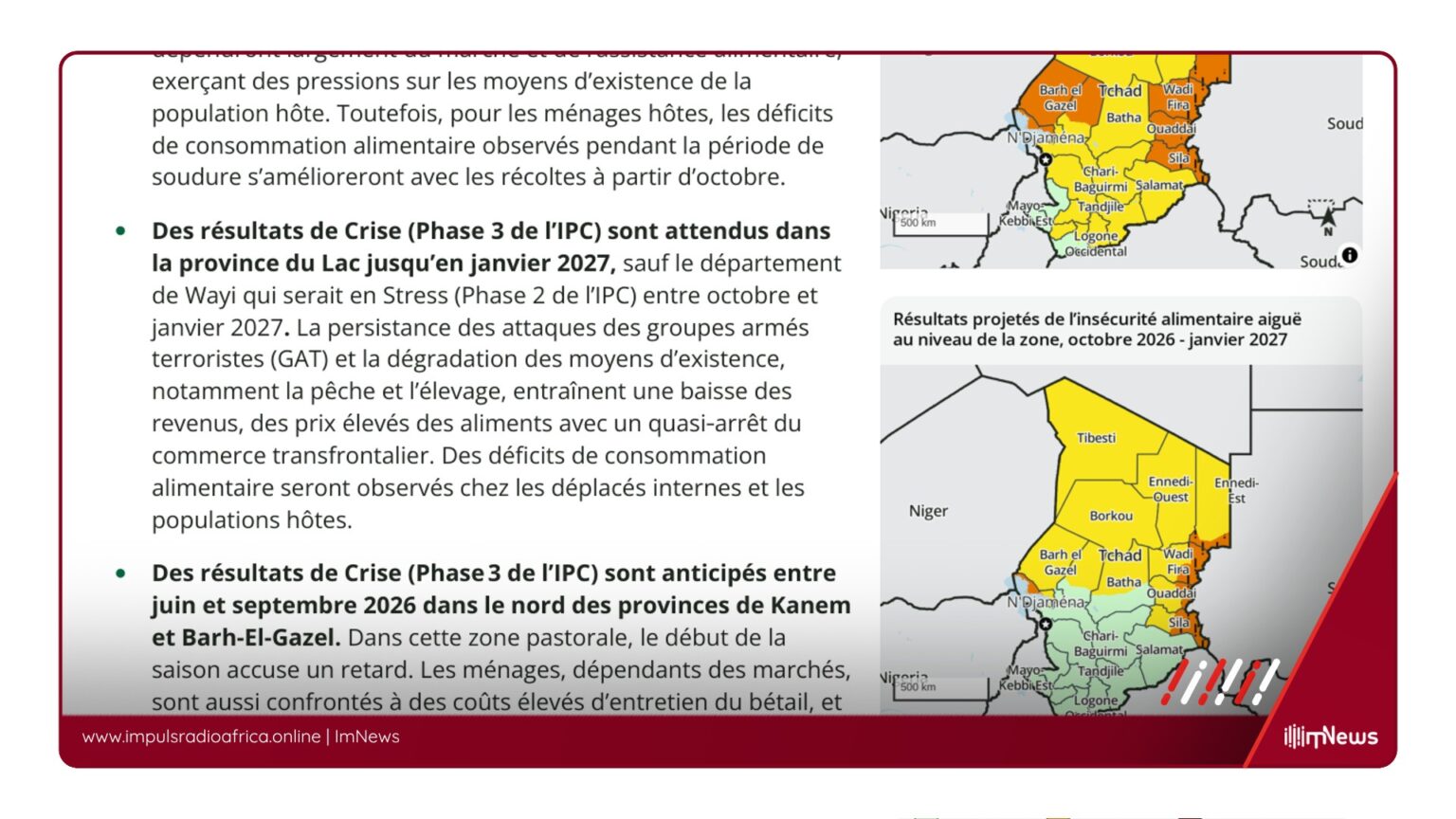
Khartoum, Sudan — Despite the recent October harvest, eastern provinces of Chad, including Ennedi-Est, Wadi Fira, Ouaddaï, and Sila, are projected to face continued food insecurity until January 2027, according to the Famine Early Warning System Network (FEWS NET).
The region, which is home to over 30 percent of refugees, is expected to remain largely dependent on food assistance, with host communities experiencing worsening consumption deficits.
The situation is exacerbated by the influx of refugees, ongoing conflict, and environmental stressors. While the October harvest may provide some relief for host communities, refugees are largely dependent on food assistance and are not expected to see significant improvement. FEWS NET’s analysis suggests that while the harvest may provide some relief for host communities, the situation will remain critical for refugees.
The disparity in resource distribution highlights the heightened vulnerability of refugees in the region.
The food security crisis in Chad is compounded by various factors, including a sharp decline in oil prices, climate change, and increased insecurity and conflicts.
The World Bank reports that Chad’s GDP per capita has lost about one-fourth of its value since 2014, exacerbating the country’s economic challenges.
The World Food Programme (WFP) estimates that 3 million people will face acute hunger during the 2026 lean season, which runs from June to August. This figure includes 1. 5 million refugees and 1.
5 million internally displaced persons.
The long — term implications of food insecurity in Chad are significant, with the country’s ability to achieve sustainable development goals, including poverty reduction and improved nutrition, at risk if the situation does not improve.
The international community is urged to support Chad’s efforts to address the food security crisis, particularly in the eastern provinces, where the situation remains dire despite the recent harvest.
*Additional reporting by ImNews | Sources consulted: 5*
—
This original article was produced by the ImNews editorial team
Source: reliefweb
Source: Famine Early Warning System Network