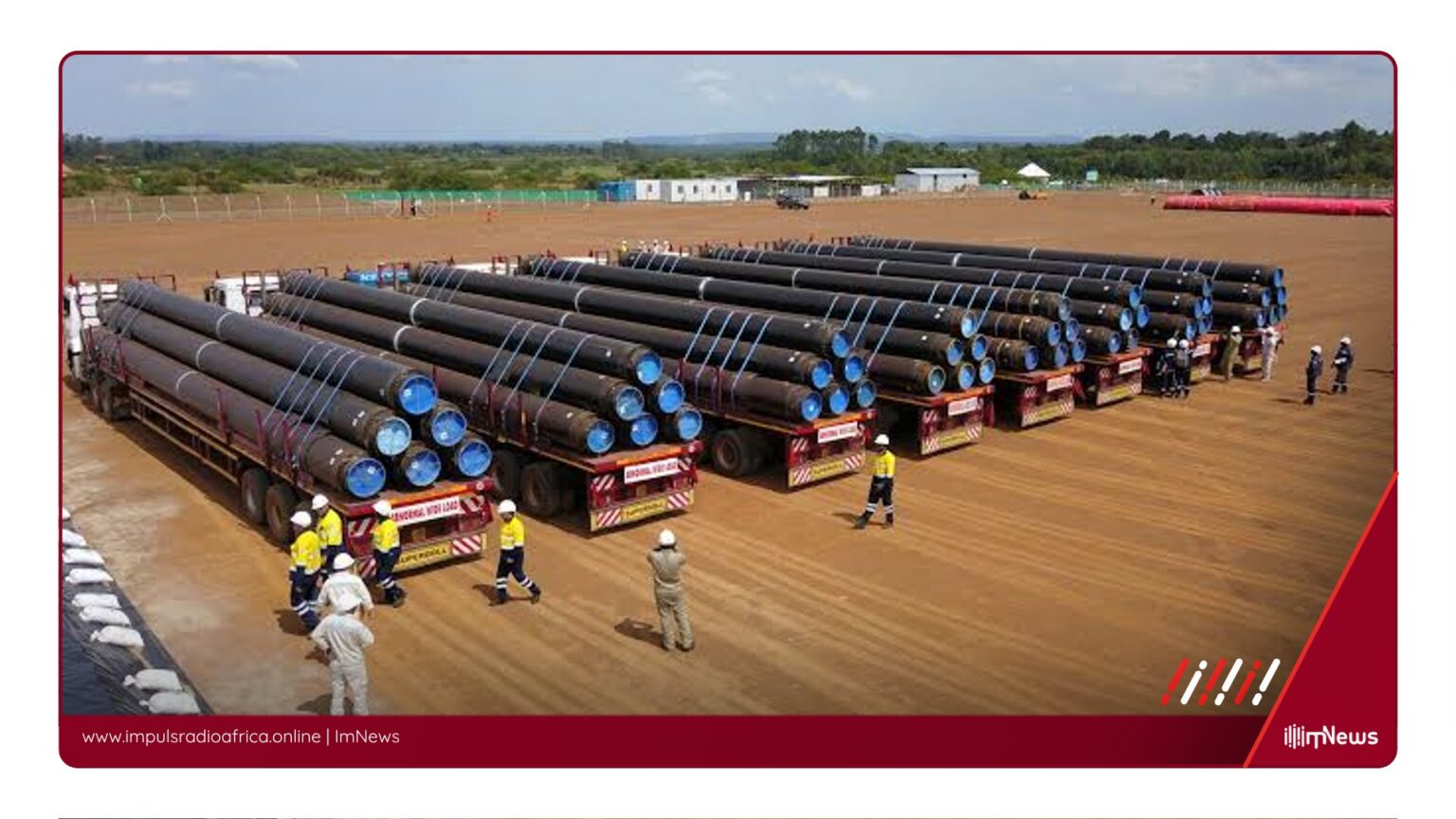
Lagos, Nigeria — In a strategic move to circumvent the Strait of Hormuz, a focal point of geopolitical tensions, Gulf oil producers are expediting the development of at least seven major pipeline projects. These projects are set to reroute crude oil exports through the Red Sea, Gulf of Oman, and the Mediterranean, potentially placing Africa’s Red Sea coastline at the heart of a new global energy trade landscape.
The projects are a direct response to the disruptions in the Strait of Hormuz, which handles nearly 20 million barrels of oil per day and has been a flashpoint for tensions, particularly with Iran. With Iran blocking the strait, Gulf states are investing in new pipeline infrastructure to reroute their oil exports, aiming to enhance security and insulate their significant oil exports from potential disruptions. Key among these projects is Saudi Arabia’s East-West Pipeline, which transports crude from the Abqaiq processing hub to Yanbu on the Red Sea.
The UAE is also expanding its $3 billion pipeline linking oil fields to Fujairah on the Gulf of Oman, with completion expected by mid-2027.
According to Goldman Sachs, these combined projects could add 3. 8 million barrels per day of bypass capacity by the end of 2027, rising to 7. 3 million barrels per day by the end of 2028.
The rerouting of oil exports could have significant implications for global oil prices and market dynamics. It also raises questions about the environmental implications of constructing and operating these new pipelines.
The total cost of the pipeline projects and their impact on the economies of the Gulf states remain unanswered questions, as does the potential impact on Africa’s role in the global energy supply chain.
As more oil is redirected toward Red Sea terminals, Africa’s coastline could emerge as an even more critical link in international trade, reinforcing the continent’s strategic importance in the world’s energy supply chain.
*Additional reporting by ImNews | Sources consulted: 5*
—
This original article was produced by the ImNews editorial team
Source: Africa.businessinsider
Source: Solomon Ekanem