
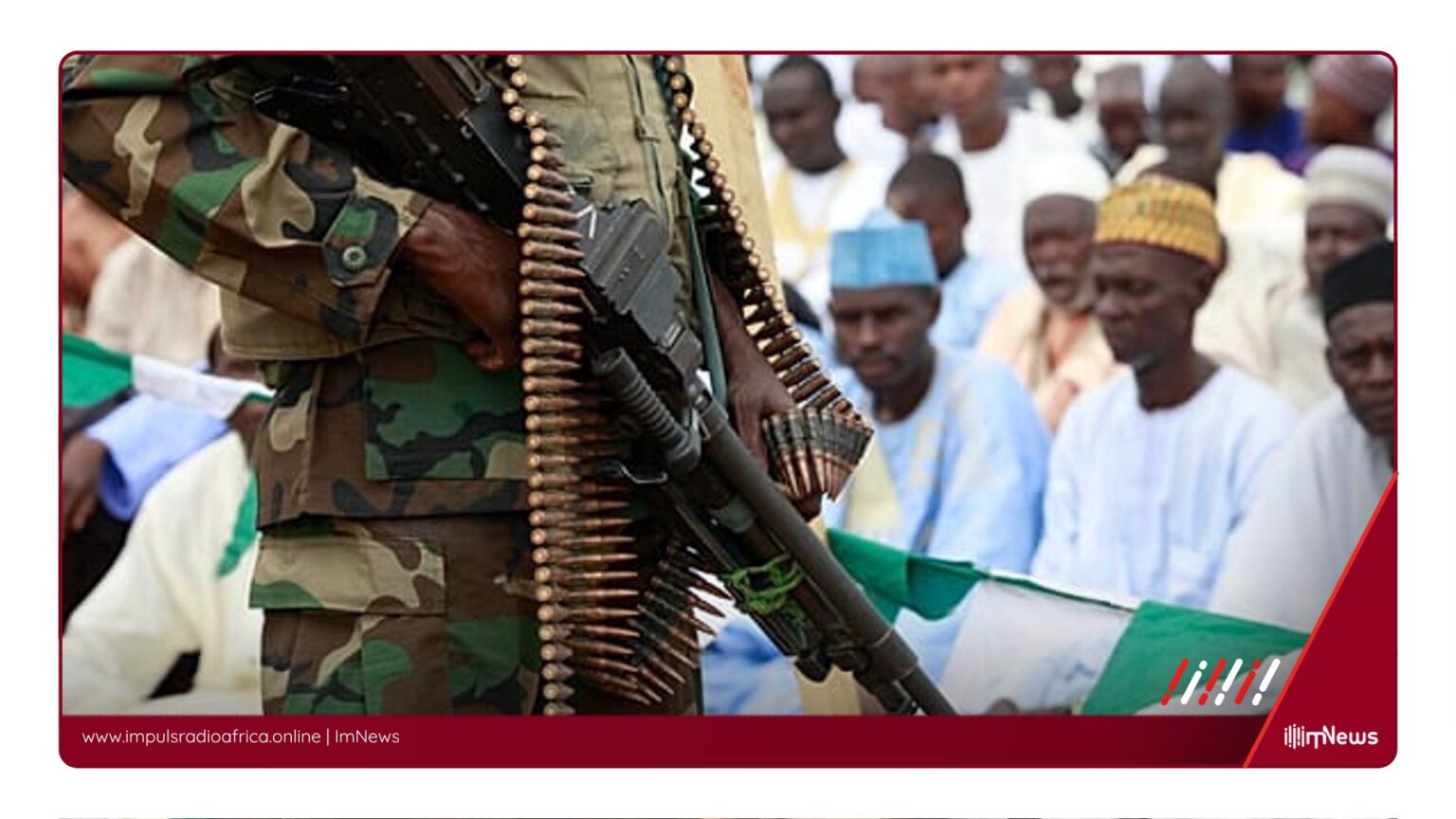
Lagos, Nigeria — A study by SBM Intelligence reveals that armed groups in Nigeria have collected nearly $6 million in ransom payments over the past year, a stark increase in the face of a burgeoning kidnapping crisis.
The Lagos — based consultancy estimates that approximately 7. 78 billion naira, or $5. 8 million, was paid in ransom between July 2025 and June 2026, tripling the amount recorded in the previous year.
The report indicates that at least 7,825 individuals were abducted during this period, a 66% increase from the year before.
The northwest region has been the hardest hit, with mass abductions becoming a common occurrence. Notably, two mass kidnappings attributed to Boko Haram accounted for nearly 90% of the total ransom collected.
The report also highlights the illegal nature of ransom payments in Nigeria, noting that many victims and their families are hesitant to report such transactions. Kidnapping has become a lucrative source of income for jihadists and criminal gangs, often referred to as bandits.
The security landscape in Nigeria is complex, with a 17-year jihadist insurgency in the northeast, widespread banditry in the northwest and central regions, and separatist tensions in the southeast. These challenges have been compounded by severe food insecurity, malnutrition, and economic instability, which contribute to the pool of potential recruits for armed groups.
The SBM Intelligence study underscores the need for a comprehensive strategy to address the ransom economy. It suggests that cutting off the financial networks that fund armed groups, while also addressing the underlying poverty and economic instability, is crucial to resolving the crisis.
As Nigeria gears up for the January 2027 elections, security and economic stability are set to be major issues on the political agenda.
The ransom economy and the escalating kidnappings crisis present significant challenges for the government and the Nigerian population alike.
*Additional reporting by ImNews | Sources consulted: 5*
—
This original article was produced by the ImNews editorial team
Source: Africanews
Source: AfricaNews