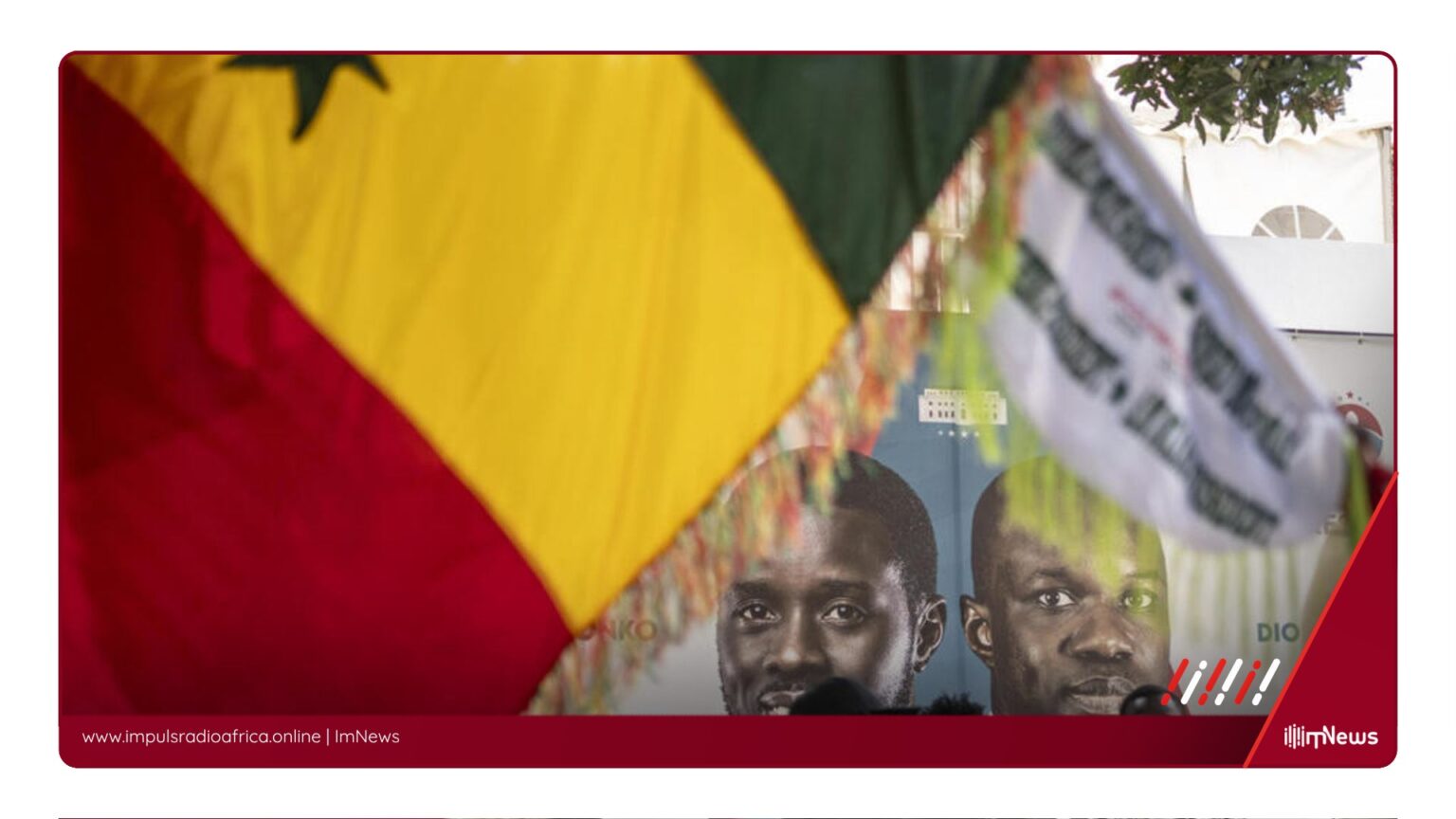
Dakar, Senegal — In a dramatic turn of events, Senegal’s President Bassirou Diomaye Faye has dismissed Prime Minister Ousmane Sonko and dissolved the government, following a protracted period of escalating political tensions between the two leaders.
The announcement, made on state television on May 23, 2026, marked a significant shift in Senegal’s political landscape.
The dismissal of Sonko, who had been a pivotal figure in Faye’s rise to power, has raised concerns about the stability of the nation, which is currently addressing a debt crisis and ongoing negotiations with the International Monetary Fund (IMF).
The rift between Faye and Sonko has been evident for months, with the prime minister publicly criticising several of Faye’s key policies, including the negotiation of a new IMF lending programme. This has led to a growing divide between the two former allies, culminating in Sonko’s dismissal. Despite the dismissal, Sonko remains a powerful political figure, particularly among the youth.
His strong base could pose a significant challenge to Faye’s leadership in the upcoming local elections in 2027 and the presidential election in 2029.
The move is also seen as a potential power struggle, with Maurice Soudieck Dione, a professor of political science at Senegal’s Gaston-Berger University, warning of a conflict between the presidential majority and the parliamentary majority. This could have detrimental consequences for the smooth running of public affairs in Senegal.
As the country navigates this period of uncertainty, the international community, particularly the IMF, is closely monitoring the situation.
The next steps taken by both the government and the opposition will be crucial in determining Senegal’s political and economic trajectory.
*Additional reporting by ImNews | Sources consulted: 5*
—
This original article was produced by the ImNews editorial team
Source: rfi
Source: RFI