Kampala, Uganda — The Democratic Republic of Congo (DRC) is facing a dire public health emergency as an Ebola outbreak, caused by the rare Bundibugyo species of the virus, continues to spread unchecked. Declared a public health emergency of international concern by the World Health Organization (WHO) on May 16, 2026, the situation in the DRC has raised alarm due to the lack of a vaccine for this specific strain and the conflict-affected status of the region, which hinders effective containment and treatment efforts.
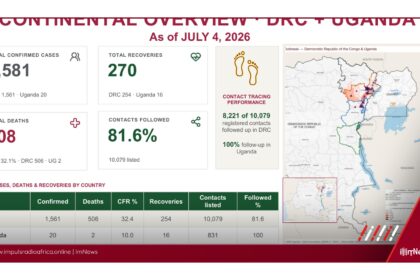
The outbreak, which has been identified in Ituri Province, has already resulted in eight laboratory — confirmed cases, 246 suspected cases, and 80 suspected deaths, as of May 16.
The WHO has raised the Ebola risk to ‘very high’in the DRC, indicating that the situation may be spreading faster than initially thought. This is particularly concerning as the Bundibugyo species of Ebola had not been seen for over a decade, and there is no vaccine available for it. Sources from the BBC suggest that the outbreak may be spreading at an alarming rate, making it difficult to control.
Residents in the DRC are expressing fear and uncertainty, calling for medical supplies, funding, and compassion.
The CBC Radio report highlights the deep mistrust of outside authorities in the region, which is exacerbated by rumors and misinformation.
The response to the outbreak has been further complicated by the ongoing conflict in the area.
The UN has intensified its response, rushing emergency personnel, funding, and supplies into the DRC to counter the fast — growing Ebola outbreak spreading through conflict-ravaged provinces.
The WHO has also deployed international staff and established a continental incident management support team, while MONUSCO has airlifted nearly 30 tons of emergency supplies, including medicines, tents, and protective equipment.
The outbreak is not only a public health crisis but also has significant implications for the DRC’s stability and regional security.
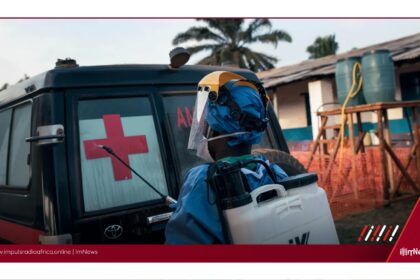
The presence of Ebola in a conflict — affected area like Ituri Province poses additional challenges for health workers and responders, as it requires meticulous contact tracing and safe and dignified burial procedures to prevent further spread of the virus.
The International Rescue Committee (IRC) has launched a response to protect vulnerable communities and support an already overstretched health system.
The organization has been working to support infection prevention and control efforts, as well as providing essential services to affected populations.
Despite the efforts of international organizations and local authorities, the situation remains critical.
The rapid spread of the virus, combined with the lack of a vaccine and the challenges posed by the conflict, means that the outbreak could last for months.
The situation underscores the importance of timely and effective response mechanisms, especially in areas affected by conflict and where trust in authorities is low.
As the DRC grapples with this unprecedented Ebola outbreak, the world watches closely, hoping for a swift and effective response to prevent the further spread of the virus and to save lives.
*Additional reporting by ImNews | Sources consulted: 5*
—
This original article was produced by the ImNews editorial team
Source: Google News v2