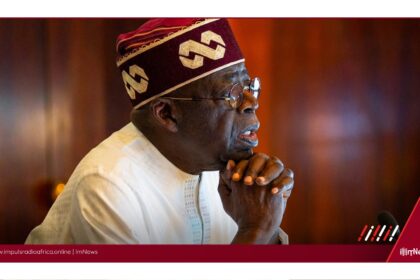

Lagos, Nigeria — On July 16, 2026, Nigeria’s President Bola Tinubu unveiled the HOPE-EDU program, a landmark $552 million education reform initiative. Co-financed by the World Bank and the Global Partnership for Education (GPE), the program is set to train 500,000 teachers and educate 29 million children across the nation. HOPE-EDU is part of Nigeria’s broader strategy to enhance its education system, which has faced challenges including inadequate infrastructure, teacher shortages, and low learning outcomes.
The program will strengthen 65,000 public schools and improve services at 10,000 non-formal learning centers.
The initiative is a critical component of Nigeria’s poverty reduction and economic reform agenda. It is designed to support reforms at both federal and state levels, aiming to improve governance, accountability, and service delivery in the basic education sector.
The World Bank has identified improvements in education and healthcare as crucial to Nigeria’s future development. HOPE-EDU is expected to contribute to this goal by supporting reforms that improve the quality of life for Nigerians and contribute to the nation’s economic growth.
The program also reflects a broader effort by the Nigerian government to integrate macroeconomic reforms with targeted investments in human development. This approach seeks to reduce poverty and build resilience among communities in anticipation of future economic challenges.
The Teacher Task Force has emphasized the importance of investing in quality teachers to address teacher shortages and improve education quality in sub — Saharan Africa. HOPE-EDU is seen as a significant step towards achieving this goal.
The Global Partnership for Education (GPE), a multi-stakeholder partnership hosted by the World Bank, has allocated over $5. 3 billion in grants since its launch in 2002.
The HOPE — EDU program is expected to benefit 29 million children, support more than 500,000 teachers, deliver 13,000 new classrooms, and reintegrate millions of out-of-school children into the formal school system. While the program is a significant step forward, its success will depend on the government’s ability to implement it effectively and ensure that resources are used efficiently.
The program’s launch has been met with optimism, but concerns remain about its sustainability and the potential for corruption.
As the program unfolds, it will be crucial to monitor its progress and assess its impact on the quality of education in Nigeria.
The success of HOPE — EDU could serve as a model for other countries facing similar challenges in their education systems.
*Additional reporting by ImNews | Sources consulted: 5*
—
This original article was produced by the ImNews editorial team
Source: Africa.businessinsider
Source: Awogbemila Temitope