CITY, Central African Republic — Despite recent harvests showing some improvement, the Central African Republic (CAR) continues to grapple with acute food insecurity, largely due to prolonged conflict and insecurity.
The situation is expected to persist through the period from June 2026 to January 2027, despite seasonal gains.
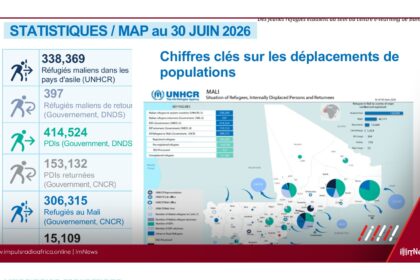
The ongoing conflict has displaced thousands and disrupted the country’s agricultural sector, leading to acute food insecurity.
The 2025 harvest season saw maize production reach approximately 200,000 tons, which, while an improvement, is insufficient to meet the country’s food needs due to ongoing challenges. Between September 2025 and March 2026, 1. 92 million people were driven into high levels of acute food insecurity due to conflict, frequent population displacement, and poor agricultural production.
This situation has been further exacerbated by the depletion of stockpiles and heavy dependence on markets, which have been affected by ongoing insecurity.
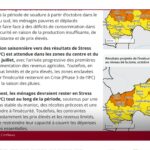
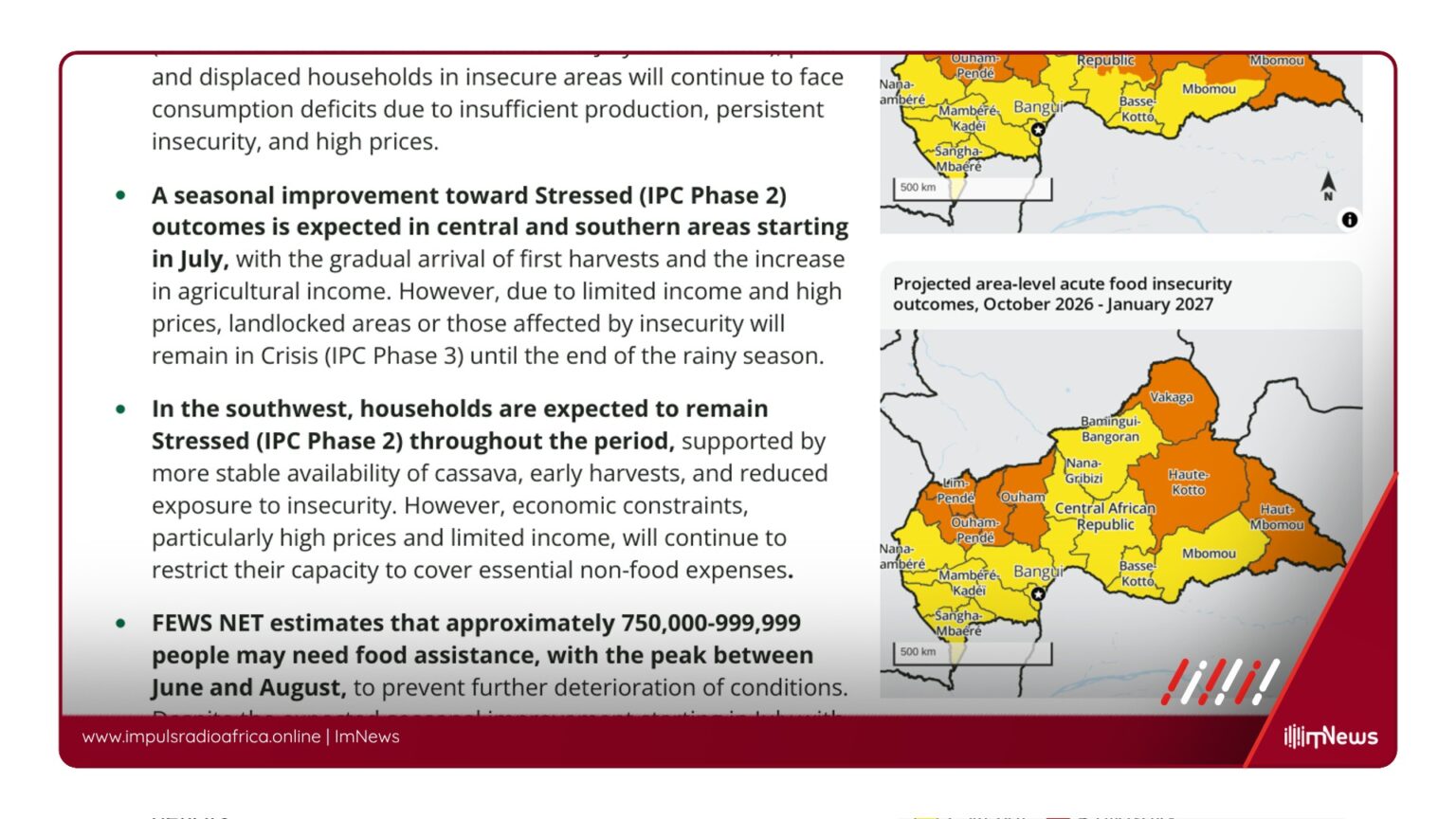
The majority of the population in the northeast, southeast, and northwest regions of the country is expected to experience Crisis (IPC Phase 3) outcomes between June 2026 and January 2027 due to stock depletion and heavy dependence on markets in a context of persistent insecurity.
In central and southern areas, a seasonal improvement toward Stressed (IPC Phase 2) outcomes is expected starting in July, with the gradual arrival of first harvests and the increase in agricultural income. Humanitarian efforts to provide food assistance have been ongoing, with organizations such as the World Food Programme and World Vision working to support those in need.
However, the scale of the crisis requires a coordinated and sustained response to effectively address the needs of the affected population.
The southwest is expected to remain Stressed (IPC Phase 2) throughout the period, supported by more stable availability of cassava, early harvests, and reduced exposure to insecurity.
However, economic constraints, particularly high prices and limited income, will continue to restrict the capacity of households to cover essential non — food expenses. FEWS NET estimates that approximately 750,000-999,999 people may need food assistance, with the peak between June and August, to prevent further deterioration of conditions.
The country’s food security outlook is bleak, with millions at risk of acute food insecurity. Addressing the root causes of the crisis and ensuring food security for all will require a multi-faceted approach, including peacebuilding efforts, improved agricultural practices, and sustained humanitarian support.
*Additional reporting by ImNews | Sources consulted: 5*
—
This original article was produced by the ImNews editorial team
Source: reliefweb
Source: Famine Early Warning System Network