BANGUI, Central African Republic — July 24, 2026 Despite seasonal improvements in food security, nearly one-third of the Central African Republic’s (CAR) population continues to face acute food insecurity, driven by ongoing conflicts, disrupted markets, and economic challenges.
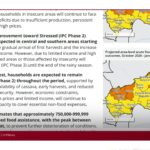
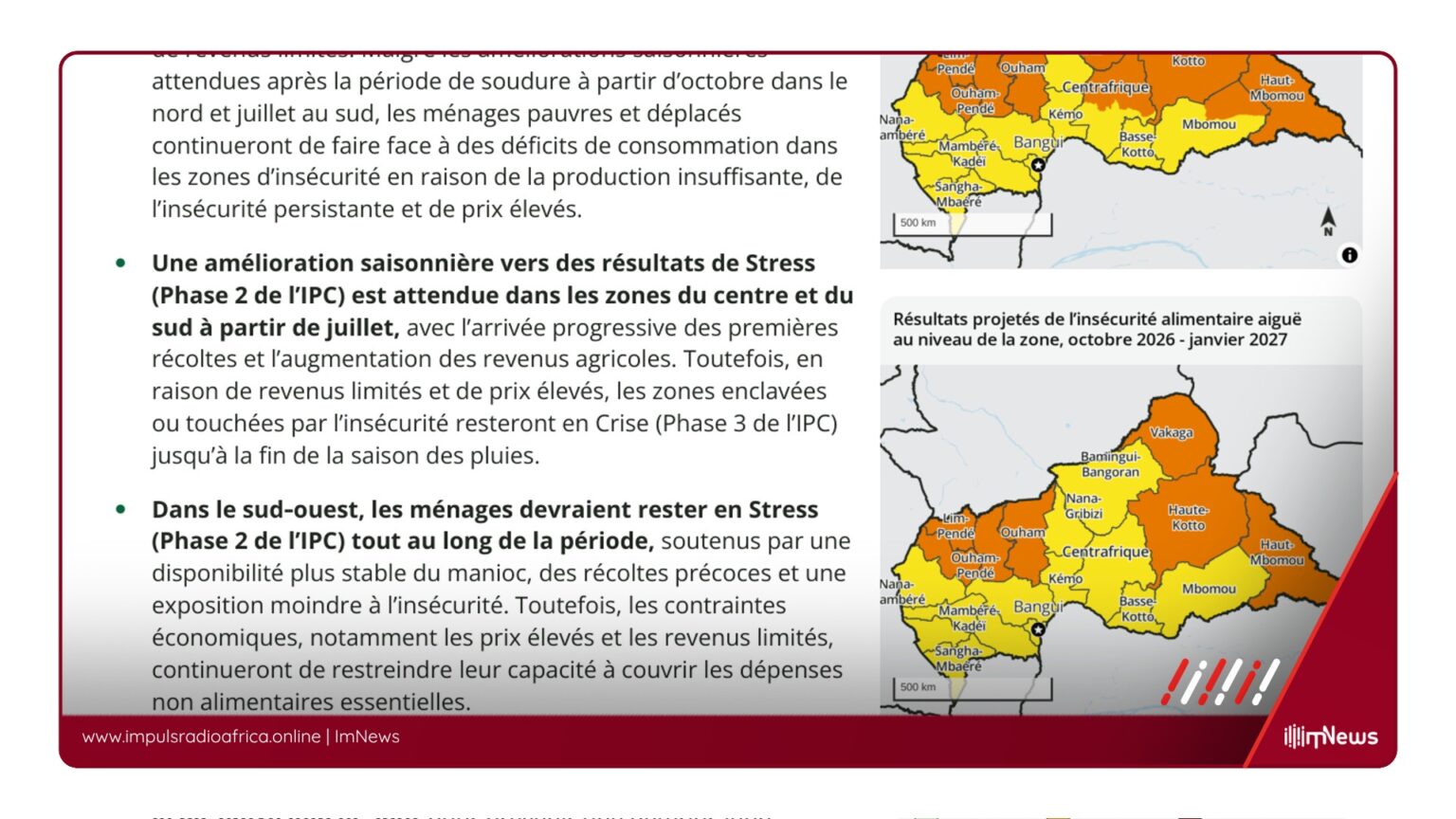
The situation is particularly dire in the northeast, southeast, and northwest regions, where nearly 1. 7 million people are in a crisis situation (IPC phase 3) and over 480,000 are in emergency food insecurity (IPC phase 4), according to the Famine Early Warning System Network (FEWS NET).
The prolonged conflict, disrupted markets, and rapid stock depletion are expected to worsen food access in many regions of the country.
An improvement in food security is anticipated in the central and southern areas, with the arrival of the first harvests and increased agricultural incomes.
However, isolated or insecure areas are likely to remain in a crisis situation until the end of the rainy season.
The economic challenges facing the CAR are further compounded by the funding cuts that threaten humanitarian operations, as reported by the United Nations. Despite seasonal improvements, FEWS NET predicts that acute food insecurity will persist in the northeast, southeast, and northwest of the CAR between June 2026 and January 2027.
The country’s agricultural potential and mineral wealth are hampered by significant security issues, local inflation, and global crises, leading to a decline in living standards.
The World Bank has emphasized the need for urgent structural reforms in the public finance sector and the mobilization of domestic resources to support economic stability and growth in the CAR.
As the country works to stabilize its security situation and reform its public finances, the international community must continue to support efforts to address the acute food insecurity crisis and improve the lives of millions of CAR citizens.
*Additional reporting by ImNews | Sources consulted: 5*
—
This original article was produced by the ImNews editorial team
Source: reliefweb
Source: Famine Early Warning System Network