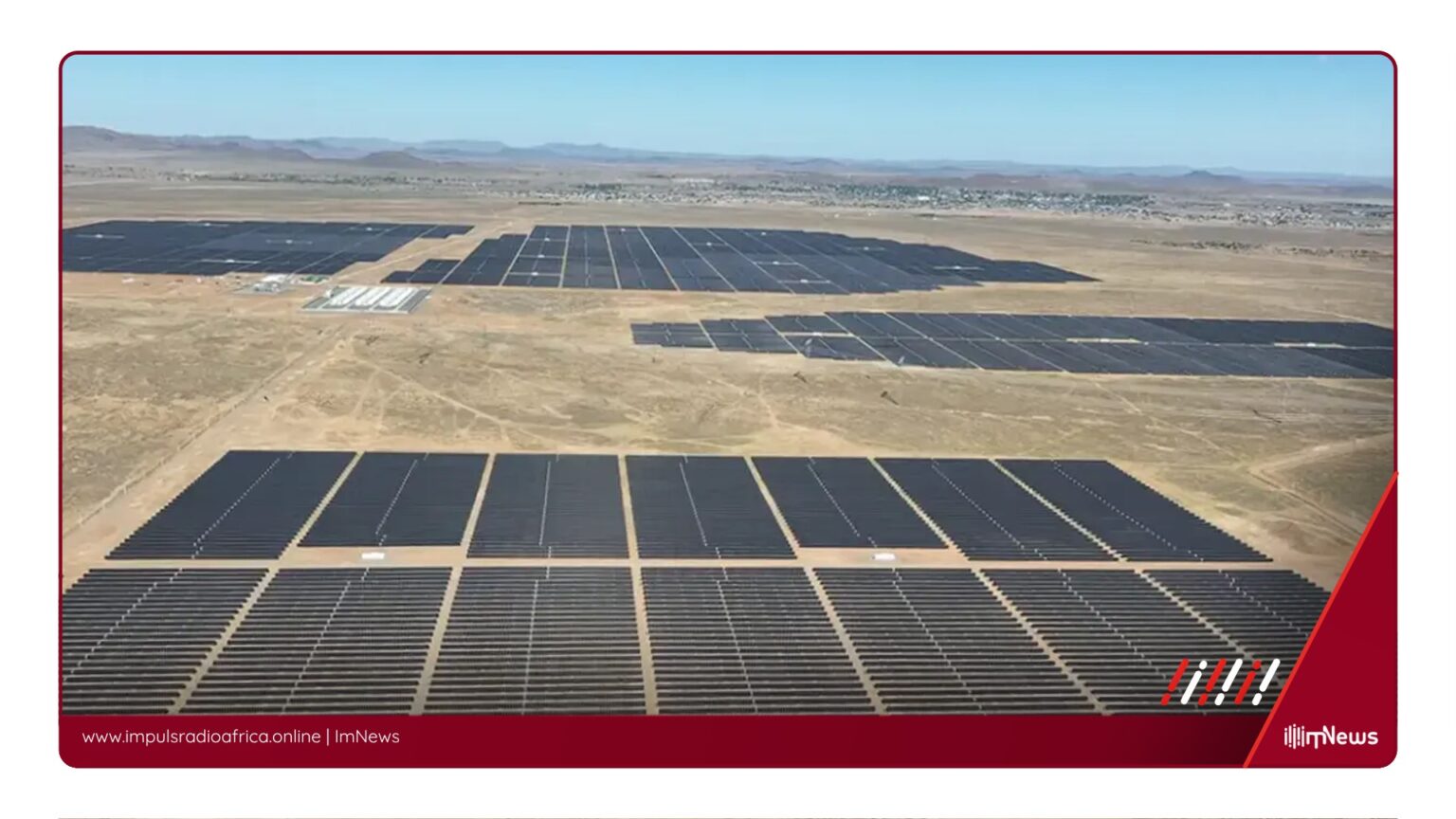
The Hydra project, a significant milestone in Africa’s renewable energy landscape, has been officially launched in South Africa’s Northern Cape province. This state-of-the-art facility merges a 216-megawatt (MW) solar photovoltaic plant with a 500-megawatt-hour (MWh) battery energy storage system, representing a groundbreaking approach to renewable energy generation. Developed by a consortium including TotalEnergies (35%), Hydra Storage Holding (35%), and Reatile Renewables (30%), the project is a testament to collaborative innovation.
It stands apart from traditional solar farms by its ability to store excess solar power in batteries, ensuring a continuous supply of electricity for up to 16 hours after sunset. Under a 20-year power purchase agreement with Eskom, the facility will inject 75 MW of renewable electricity into South Africa’s national grid, operating from 5:00 a. M.
To 9:30 p. M. This initiative is expected to generate over 400 gigawatt-hours (GWh) of electricity annually, sufficient to power approximately 200,000 South African households.
Magali Pailhé, Managing Director of TotalEnergies Southern Africa, emphasized the project’s significance, stating, “This project reinforces our renewable production capacity in South Africa, the continent’s largest power market in terms of electricity consumption. “It also aims to bolster South Africa’s energy security and support the nation’s decarbonization efforts.
The Hydra project addresses a critical challenge of solar energy — intermittency—by integrating a large-scale battery storage system. This innovation not only improves the reliability of renewable power but also positions the project as one of the largest battery-backed renewable facilities on the African continent. Hydra is part of the Risk Mitigation Independent Power Producer Procurement Programme (RMIPPPP), designed to attract private investment into electricity generation amidst power shortages and load shedding.
It aligns with South Africa’s broader strategy to diversify its energy mix, reduce reliance on aging coal-fired power stations, and enhance grid resilience. For TotalEnergies, the project represents a strategic expansion into renewable energy and battery storage, complementing its oil and gas business.
The company currently boasts nearly 36 gigawatts of gross renewable power generation capacity globally and is aiming for more than 100 terawatt-hours of net electricity production by 2030.
As African nations accelerate their pursuit of expanded electricity access and reduced carbon emissions, projects like Hydra are set to become increasingly pivotal. They offer a reliable and sustainable solution to meet the continent’s growing energy demands without overreliance on fossil fuels.
The Hydra project may well serve as a model for future large — scale solar-and-storage developments across Africa.
*Additional reporting by ImNews | Sources consulted: 5*
—
This original article was produced by the ImNews editorial team
Source: Africa.businessinsider
Source: Ayodeji Adegboyega